
What is coccydynia (tailbone pain)?
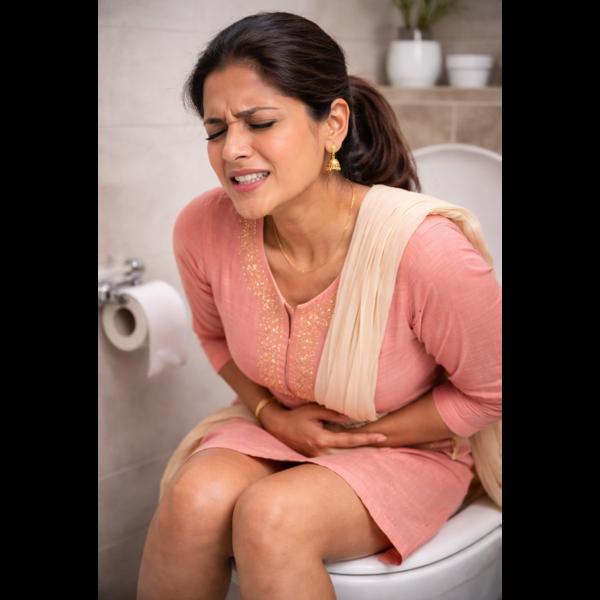
“Coccydynia” is the medical term for tailbone pain (“coccyx” = tailbone, “dynia” = pain). Your coccyx (tailbone) is at the very bottom of yourspine, and it consists of three to five fused vertebrae (bones).
Your tailbone has a few important jobs. When you sit down, it helps steady you and support your weight. It’s also where several tendons, ligaments and muscles in your body connect. But when your tailbone hurts, it’s a real pain in the rear — and it can interfere with daily routines and quality of life.
“Coccydynia” is the medical term for tailbone pain (“coccyx” = tailbone, “dynia” = pain). Your coccyx (tailbone) is at the very bottom of yourspine, and it consists of three to five fused vertebrae (bones).
Your tailbone has a few important jobs. When you sit down, it helps steady you and support your weight. It’s also where several tendons, ligaments and muscles in your body connect. But when your tailbone hurts, it’s a real pain in the rear — and it can interfere with daily routines and quality of life.
How common is tailbone pain?
Tailbone pain is common. It’s five times more likely to occur in women and people assigned female at birth (AFAB) than men and people assigned male at birth (AMAB). Adolescents and adults get it more often than children.
Tailbone pain is common. It’s five times more likely to occur in women and people assigned female at birth (AFAB) than men and people assigned male at birth (AMAB). Adolescents and adults get it more often than children.
SYMPTOMS AND CAUSES
What are the symptoms of tailbone pain?
Coccydynia symptoms may include:
- Dull (achy) or sharp (piercing) tailbone pain.
- Tailbone pain that worsens when you go from sitting to standing.
- Pain when you poop.
- Pain during sex.
Other related symptoms that may occur in people with tailbone pain include:
- Back pain.
- Sciatica.
- Sleep disorders.
- Depression.
- Anxiety.
Coccydynia symptoms may include:
- Dull (achy) or sharp (piercing) tailbone pain.
- Tailbone pain that worsens when you go from sitting to standing.
- Pain when you poop.
- Pain during sex.
Other related symptoms that may occur in people with tailbone pain include:
- Back pain.
- Sciatica.
- Sleep disorders.
- Depression.
- Anxiety.
What causes tailbone pain?
There are many reasons why you might develop tailbone pain. Possible tailbone pain causes include:
- Falls. A bad fall can bruise, break (fracture) or dislocate your tailbone.
- Repetitive strain injuries (RSI). Sports like bicycling and rowing require you to lean back and forth. Too much of that repeated motion can strain the tissues around your tailbone.
- Pregnancy or childbirth. During the third trimester of pregnancy, your body secretes hormones that soften the area between your tailbone and sacrum (the part of your pelvis just above your tailbone). This gives your tailbone more flexibility during childbirth. It’s a natural process. But in some cases, this can stretch the muscles and ligaments around your tailbone too far, causing additional pain. The strain on these soft tissues keeps them from supporting your tailbone at the correct angle.
- Carrying extra weight. Extra weight places additional pressure on your tailbone. This can make your tailbone lean backwards, resulting in pain.
- Not carrying enough weight. Less fat means less cushioning in your butt. Without this cushion, your tailbone may rub against your muscles, ligaments and tendons, causing inflammation.
- Prolonged sitting. Sitting for long periods of time can place excess pressure on your tailbone, especially if you sit on hard surfaces.
There are many reasons why you might develop tailbone pain. Possible tailbone pain causes include:
- Falls. A bad fall can bruise, break (fracture) or dislocate your tailbone.
- Repetitive strain injuries (RSI). Sports like bicycling and rowing require you to lean back and forth. Too much of that repeated motion can strain the tissues around your tailbone.
- Pregnancy or childbirth. During the third trimester of pregnancy, your body secretes hormones that soften the area between your tailbone and sacrum (the part of your pelvis just above your tailbone). This gives your tailbone more flexibility during childbirth. It’s a natural process. But in some cases, this can stretch the muscles and ligaments around your tailbone too far, causing additional pain. The strain on these soft tissues keeps them from supporting your tailbone at the correct angle.
- Carrying extra weight. Extra weight places additional pressure on your tailbone. This can make your tailbone lean backwards, resulting in pain.
- Not carrying enough weight. Less fat means less cushioning in your butt. Without this cushion, your tailbone may rub against your muscles, ligaments and tendons, causing inflammation.
- Prolonged sitting. Sitting for long periods of time can place excess pressure on your tailbone, especially if you sit on hard surfaces.
What causes tailbone pain without injury?
In very rare cases, tailbone pain may be a sign of cancer near your coccyx or metastatic cancer that’s spread to your bones. This is very uncommon.
Cancers most likely to cause tailbone pain include:
- Chordoma.
- Prostate cancer.
If a tumor causes tailbone pain, additional cancer symptoms may include:
- Numbness or tingling in your arms, legs or groin.
- Difficulty peeing or pooping.
- A visible mass around your tailbone area.
In very rare cases, tailbone pain may be a sign of cancer near your coccyx or metastatic cancer that’s spread to your bones. This is very uncommon.
Cancers most likely to cause tailbone pain include:
- Chordoma.
- Prostate cancer.
If a tumor causes tailbone pain, additional cancer symptoms may include:
- Numbness or tingling in your arms, legs or groin.
- Difficulty peeing or pooping.
- A visible mass around your tailbone area.
DIAGNOSIS AND TESTS
How do your doctor diagnose tailbone pain?
First, a healthcare provider will review your medical history. They’ll ask about any past injuries or trauma to your tailbone area like falls or a difficult childbirth. Next, they’ll examine the area to check for fractures, lumps or abscesses (pockets of infection).
First, a healthcare provider will review your medical history. They’ll ask about any past injuries or trauma to your tailbone area like falls or a difficult childbirth. Next, they’ll examine the area to check for fractures, lumps or abscesses (pockets of infection).
What tests can help diagnose tailbone pain (coccydynia)?
To check for a fracture, your healthcare provider may recommend an:
- X-ray.
- CT (computed tomography) scan.
To check for inflammation, abscesses or tumors, your provider may take an:
- MRI (magnetic resonance imaging).
- Bone scan.
To check for a fracture, your healthcare provider may recommend an:
- X-ray.
- CT (computed tomography) scan.
To check for inflammation, abscesses or tumors, your provider may take an:
- MRI (magnetic resonance imaging).
- Bone scan.
MANAGEMENT AND TREATMENT
How do your doctor treat tailbone pain (coccydynia)?
Tailbone pain treatment depends on the cause and the severity of your discomfort. Home remedies might be all you need. But if home remedies don’t work, your provider may recommend nonsurgical or surgical treatments.
Tailbone pain treatment depends on the cause and the severity of your discomfort. Home remedies might be all you need. But if home remedies don’t work, your provider may recommend nonsurgical or surgical treatments.
Home remedies for tailbone pain
In 90% of cases, people with tailbone pain find relief with home remedies. Here are some things you can try:
- Take NSAIDs (nonsteroidal anti-inflammatory drugs) to reduce pain and swelling.
- Sit on a donut pillow or wedge-shaped gel cushion to take pressure off your tailbone.
- Take a hot bath to relax your muscles and ease pain.
- Apply hot or cold packs to your lower back. Apply for about 20 to 30 minutes, several times a day.
- Take stool softeners if you have pain when you poop.
In 90% of cases, people with tailbone pain find relief with home remedies. Here are some things you can try:
- Take NSAIDs (nonsteroidal anti-inflammatory drugs) to reduce pain and swelling.
- Sit on a donut pillow or wedge-shaped gel cushion to take pressure off your tailbone.
- Take a hot bath to relax your muscles and ease pain.
- Apply hot or cold packs to your lower back. Apply for about 20 to 30 minutes, several times a day.
- Take stool softeners if you have pain when you poop.
Nonsurgical treatments for tailbone pain
If home remedies don’t work, or if your pain keeps coming back, your provider might recommend nonsurgical treatments, like:
- Coccygeal nerve block (an injection of numbing medications and steroids to relieve pain and inflammation).
- Massage therapy (usually only provides temporary relief).
- Physical therapy to stretch your muscles and improve your posture.
- Acupuncture.
- TENS (transcutaneous electrical nerve stimulation).
If home remedies don’t work, or if your pain keeps coming back, your provider might recommend nonsurgical treatments, like:
- Coccygeal nerve block (an injection of numbing medications and steroids to relieve pain and inflammation).
- Massage therapy (usually only provides temporary relief).
- Physical therapy to stretch your muscles and improve your posture.
- Acupuncture.
- TENS (transcutaneous electrical nerve stimulation).
Surgical treatments for tailbone pain
In extremely rare instances, your provider may recommend:
- Partial coccygectomy (removal of part of your coccyx).
- Total coccygectomy (removal of your entire coccyx).
Recovery time from a coccygectomy can take several months. Even after a surgeon removes the bone, there’s no guarantee that your pain will go away. For this reason, providers only recommend coccygectomy when other treatments don’t work.
In extremely rare instances, your provider may recommend:
- Partial coccygectomy (removal of part of your coccyx).
- Total coccygectomy (removal of your entire coccyx).
Recovery time from a coccygectomy can take several months. Even after a surgeon removes the bone, there’s no guarantee that your pain will go away. For this reason, providers only recommend coccygectomy when other treatments don’t work.
Additional treatments
You might have other symptoms in addition to tailbone pain, especially with chronic coccydynia. If you develop conditions like depression or anxiety, it’s important to get treatment for these issues, too. Ignoring these symptoms can have a negative impact on your quality of life.
For more details contact Sukhayu Hospital Nasik or call 7420004242
You might have other symptoms in addition to tailbone pain, especially with chronic coccydynia. If you develop conditions like depression or anxiety, it’s important to get treatment for these issues, too. Ignoring these symptoms can have a negative impact on your quality of life.
For more details contact Sukhayu Hospital Nasik or call 7420004242