
Sukhayu Hospital – Confidential & Expert Care
Penile warts, also known as genital warts in men, are a common sexually transmitted infection (STI) caused by certain types of the Human Papillomavirus (HPV). While they are not usually life-threatening, they can cause physical discomfort, emotional stress, and anxiety if not treated properly.
At Sukhayu Hospital, we provide confidential, respectful, and evidence-based treatment for all sexual health concerns.
What Are Penile Warts?
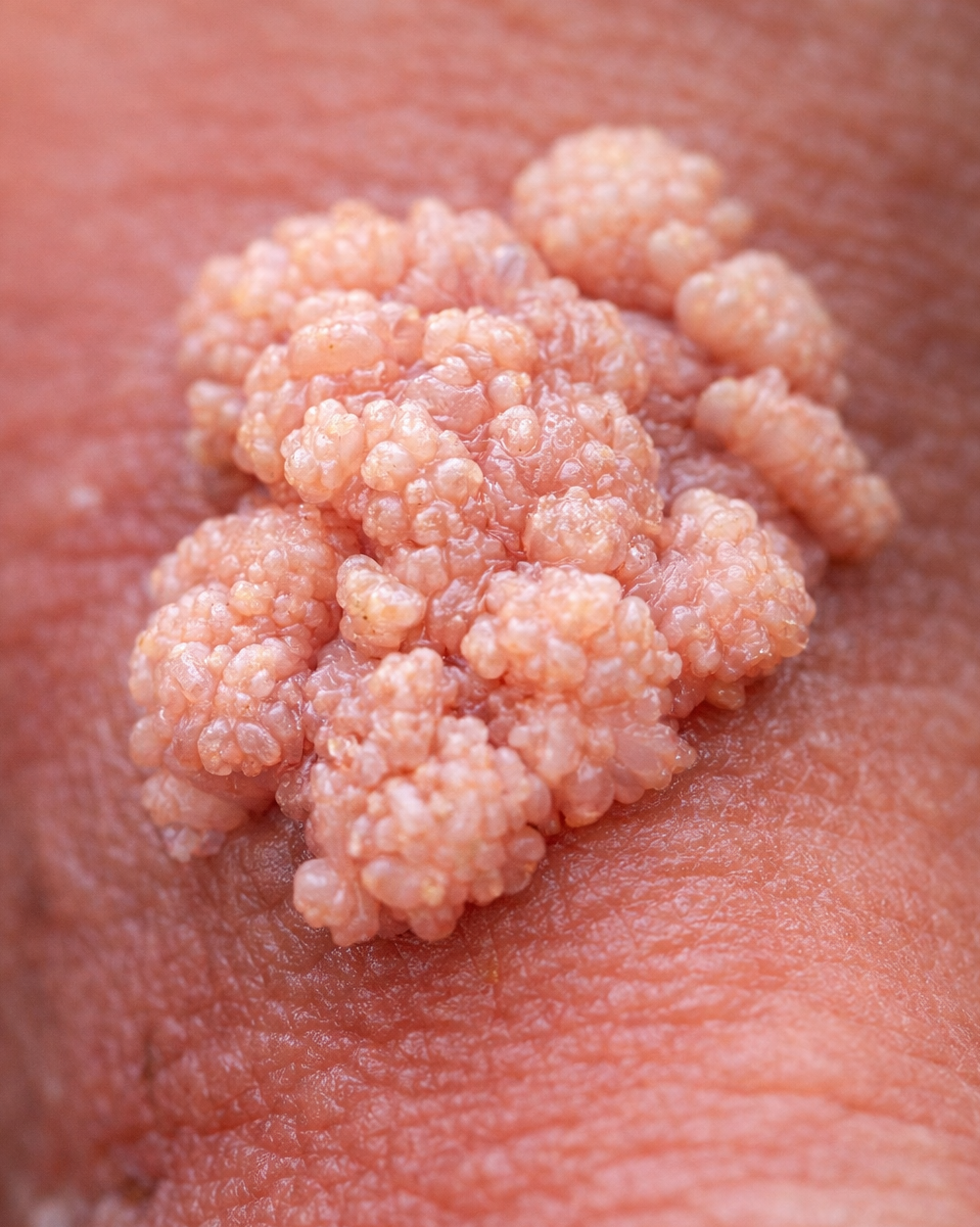
Penile warts are small growths that develop on the skin of the penis or surrounding genital area. They may appear:
- On the shaft of the penis
- On the glans (tip)
- On the foreskin
- On the scrotum
- Around the groin or anal area
They can be:
- Small and flesh-colored
- Pink or slightly gray
- Flat or raised
- Single or clustered
- Cauliflower-like in appearance
Most commonly, they are caused by low-risk HPV types 6 and 11.
How Do Penile Warts Spread?
HPV spreads through:
- Vaginal intercourse
- Anal intercourse
- Oral sex
- Skin-to-skin genital contact
It is important to understand that HPV can spread even when no visible warts are present. Many people carry the virus without knowing it.
Symptoms of Penile Warts
In many cases, there may be no symptoms initially. When symptoms occur, they may include:
- Small painless growths on the penis
- Itching or irritation
- Mild discomfort
- Rarely, bleeding during intercourse
If immunity is weak, warts may increase in size or number rapidly.
When Should You Consult a Doctor?
You should seek medical consultation if:
- You notice any unusual growth on the genital area
- The lesion increases in size
- There is a recurrence after treatment
- There is pain, bleeding, or discomfort
Avoid self-treatment. Medications meant for common skin warts should never be used on genital skin.
Diagnosis at Sukhayu Hospital
Diagnosis is usually clinical and based on careful physical examination.
If required, additional evaluation may include:
- Dermoscopic examination
- Biopsy (if the lesion appears atypical)
- Screening for other STIs
Early diagnosis prevents complications and reduces transmission risk.
Treatment Options
Treatment depends on the size, number, and location of the warts.
Medical Treatment
- Topical medications
- Immune-modulating creams
- Chemical cauterization
Minor Surgical Procedures (Day-Care)
- Cryotherapy (freezing the wart)
- Electrocautery
- Laser therapy
- Surgical excision
These procedures are safe, minimally invasive, and usually performed on an outpatient basis.
It is important to note that treatment removes visible warts but may not completely eliminate the virus from the body. Recurrence is possible, especially within the first 6 months.
Are Penile Warts Dangerous?
The HPV types that cause genital warts (6 and 11) are considered low risk and rarely lead to cancer. However, certain high-risk HPV types (16 and 18) are associated with penile, anal, and throat cancers.
Regular follow-up and proper evaluation are important.
Prevention
Prevention plays a major role in reducing risk:
- Use condoms (reduces risk but does not eliminate it completely)
- Limit multiple sexual partners
- Maintain genital hygiene
- Strengthen immunity
- Consider HPV vaccination (recommended up to age 26 and in selected individuals up to 45 years)
Why Choose Sukhayu Hospital?
- Complete confidentiality
- Experienced surgical specialists
- Advanced minor OT facilities
- NABH-accredited standards
- Evidence-based treatment protocols
- Compassionate and respectful approach
We understand that discussing intimate health problems can feel uncomfortable. Our goal is to provide a safe and judgment-free environment for every patient.
Final Message
Penile warts are common and treatable. There is no shame in seeking medical help. Early treatment protects both you and your partner.
If you notice any unusual growth or have concerns about sexual health, consult Sukhayu Hospital for expert evaluation and care.