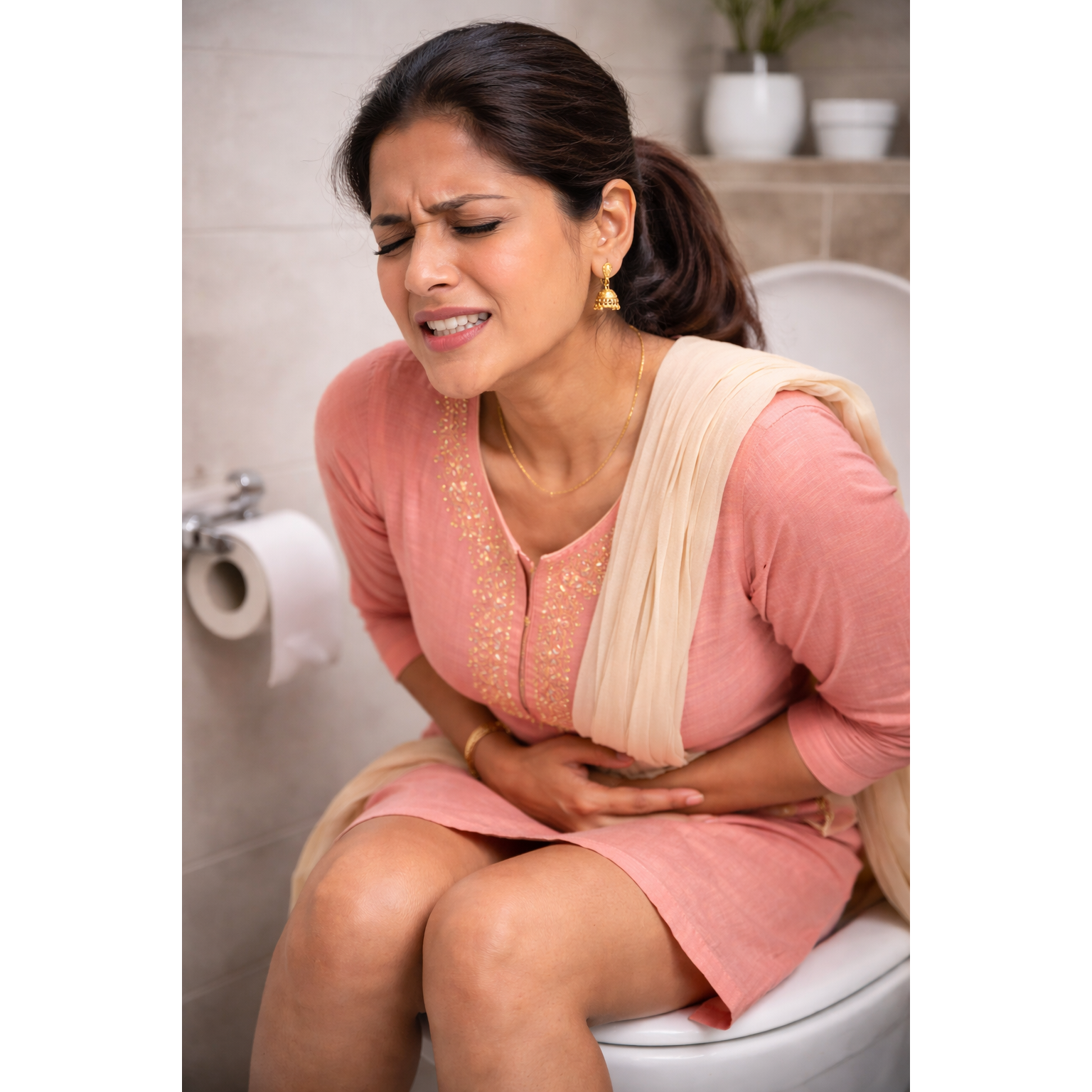
Pain during passing stools is one of the most distressing symptoms a person can experience. Many patients describe fissure pain as “like passing glass” or “a tearing sensation.” Unfortunately, because of embarrassment, people often delay consultation, and that delay worsens the condition.
Let us understand how to deal with fissure pain properly and effectively.
What Is Fissure in Ano?
A fissure in ano is a small tear in the lining of the anal canal. It usually occurs due to:
• Passing hard stools
• Chronic constipation
• Severe diarrhoea
• Straining during bowel movements
• After childbirth, in some women
The tear exposes sensitive nerve endings, which is why the pain can be extremely severe.
Why Is the Pain So Intense?
The anal canal has a muscle called the internal sphincter. When a fissure develops, this muscle goes into spasm. The spasm reduces blood supply to the area and increases pain, creating a vicious cycle:
Pain → Muscle spasm → Reduced healing → More pain
Breaking this cycle is the key to treatment.
Common Symptoms of Fissure
• Severe pain during and after passing stool
• Burning sensation lasting for hours
• Fresh bleeding on toilet paper
• Fear of passing stool due to pain
• Constipation worsens because the patient avoids defecation
If not treated early, fissures can become chronic and more difficult to heal.
Immediate Measures to Reduce Pain
• Take warm sitz bath (10–15 minutes, 2–3 times daily)
Warm water relaxes the sphincter muscle and improves blood flow.
• Avoid straining
Never sit for long periods on the toilet.
• Increase water intake
At least 2.5–3 liters per day unless medically restricted.
• Use prescribed topical ointments
Certain medicated creams help relax the anal muscle and reduce pain.
Dietary Measures to Prevent Pain
Pain relief is not just about medicines — diet plays a major role.
Include:
• High-fiber foods (vegetables, fruits, whole grains)
• Isabgol or prescribed fiber supplements
• Plenty of fluids
Avoid:
• Spicy food
• Deep-fried food
• Junk and processed food
• Excess tea and coffee
• Low-fibre diet
Soft stools mean less strain, less tear, and less pain.
Medical Treatment Options
At Sukhayu Hospital, treatment is personalized based on severity.
• Stool softeners
• Topical medications to reduce muscle spasm
• Pain relief medications
• Botox injection (in selected chronic cases)
• Laser surgery or minor surgical procedures for non-healing fissures
Modern treatments are safe and provide quick relief when done at the right time.
When Is Surgery Needed?
If fissure pain continues for more than 6–8 weeks despite medical therapy, it may become chronic. In such cases, a minor procedure to relax the sphincter muscle can provide permanent relief.
Early consultation prevents unnecessary suffering.
Common Mistakes Patients Make
• Ignoring pain for months
• Taking repeated painkillers without treatment
• Using home remedies without diagnosis
• Being embarrassed to consult a doctor
Fissure is a medical condition — not something to hide.
Final Message
Fissure pain can be unbearable, but it is completely treatable.
The earlier you seek medical advice, the faster you recover. Do not let embarrassment delay your treatment. With proper diet, medication, and timely intervention, most patients get complete relief.
At Sukhayu Hospital, we focus on relieving pain, healing the fissure, and preventing recurrence.
If you are suffering from severe pain during bowel movements, consult early and regain comfort in your daily life.
Dr. Sachin Jadhav
Sukhayu Hospital
Compassionate Care. Complete Healing.