Understanding the HPV Vaccine: Protection against Cervix Cancer
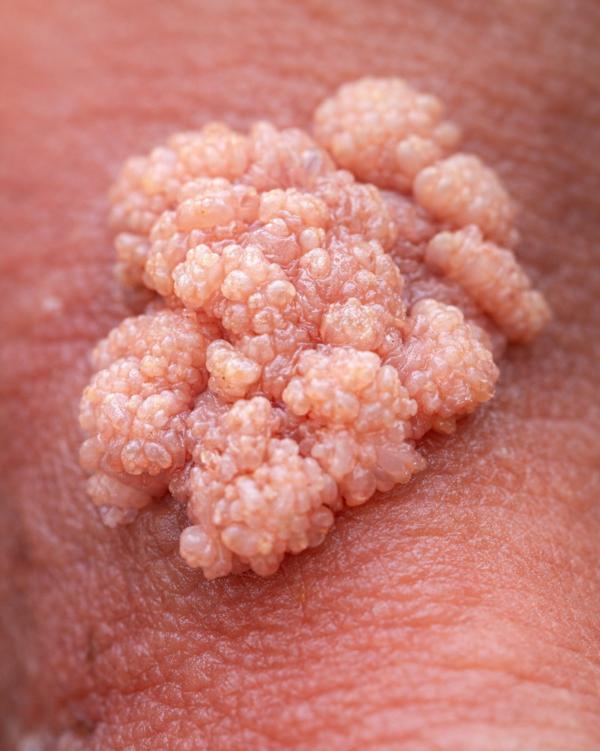
Human papillomavirus (HPV) is a sexually transmitted infection that can lead to genital warts and various cancers. Vaccination is a crucial tool in preventing HPV-related health issues. Here's an in-depth look at the HPV vaccine, covering its purpose, recommended age groups, effectiveness, potential side effects, and its role in school attendance and cervical cancer screening.
What does the HPV vaccine do?
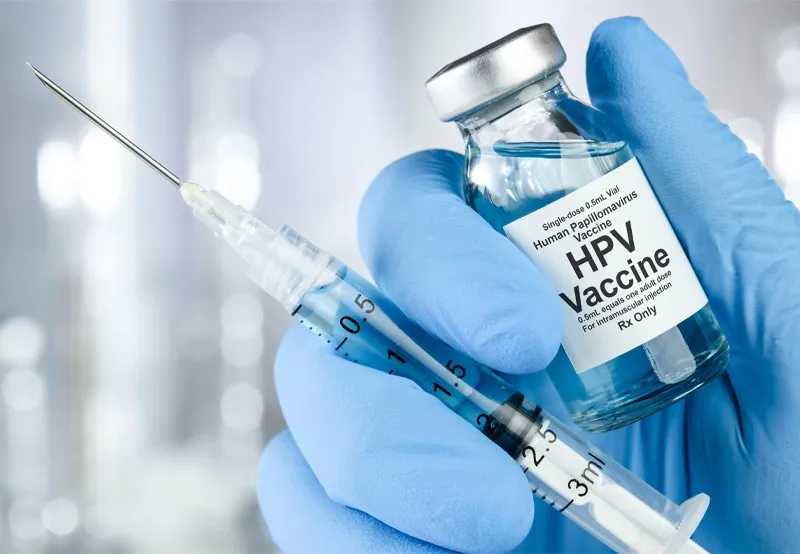
The HPV vaccine, such as Gardasil 9, protects against genital warts and most cases of cervical cancer. It also guards against cancers of the vagina, vulva, penis, anus, mouth, throat, head, and neck caused by HPV. By introducing harmless components of the virus into the body, the vaccine helps build immune system awareness, making it more efficient at clearing out HPV strains in case of future exposure.
Who is the HPV vaccine for and when should it be given?
The Gardasil 9 vaccine is FDA-approved for individuals aged 9 and older and can be administered alongside other vaccines. The CDC recommends routine HPV vaccination at age 11 or 12, ideally before sexual activity begins. People under 15 can receive two doses, while those starting at 15 through 26 should get three doses over six months. Catch-up vaccinations are advised for those up to age 26 who aren't fully vaccinated.
Who should not get the HPV vaccine?
The HPV vaccine is not given during pregnancy, and individuals with severe allergies or those who experienced an allergic reaction after the first shot should avoid it. Moderately or severely ill individuals should wait until they recover to receive the vaccine.
Does the HPV vaccine offer benefits if you're already sexually active?
Even if a person is already sexually active and may have one HPV strain, the vaccine can still offer protection against other strains. It doesn't treat existing infections but prevents new ones.
Does the HPV vaccine carry any health risks or side effects?
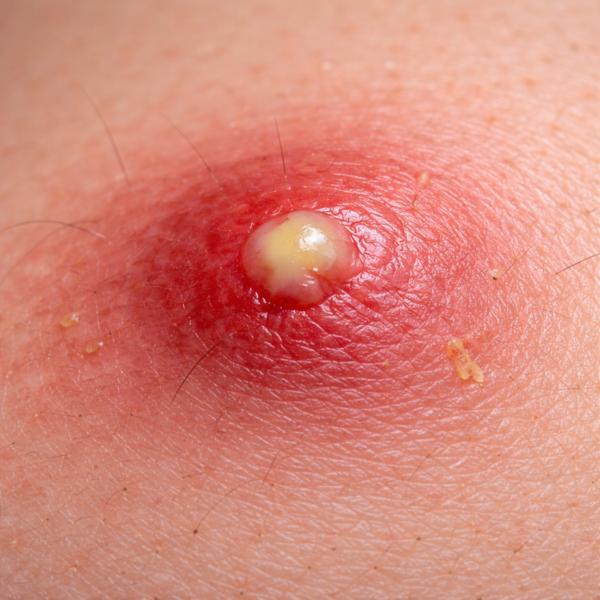
Extensive studies have found the HPV vaccine to be generally safe. Common side effects are mild and include soreness, swelling, or redness at the injection site, along with occasional dizziness, fainting, headaches, nausea, vomiting, fatigue, or weakness. The CDC and FDA continuously monitor for any unusual or severe problems.
Is the HPV vaccine required for a child to go to school?
The HPV vaccine is part of routine childhood vaccinations, but each U.S. state determines the specific vaccines necessary for school attendance.
Do women who've received the HPV vaccine still need Pap tests?
Yes, the HPV vaccine does not replace Pap tests. Regular cervical cancer screening starting at age 21 remains essential for preventive healthcare. Immediate medical attention is necessary if symptoms like vaginal bleeding, pelvic pain, or pain during sex are noticed.
Understanding and promoting HPV vaccination is crucial in preventing associated health risks and fostering overall well-being. Regular screenings complement vaccination efforts, ensuring comprehensive protection against HPV-related issues.
Keywords