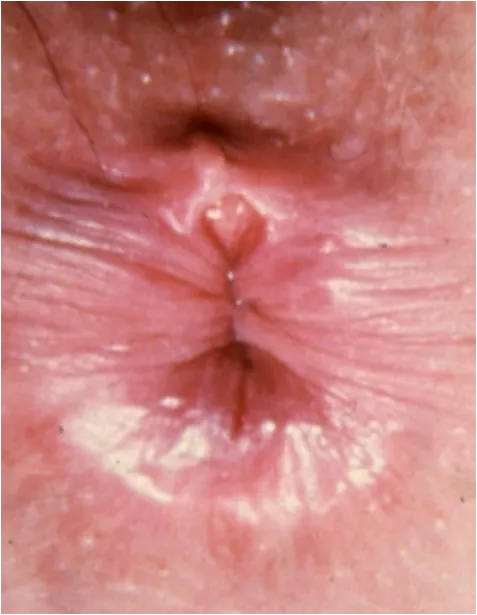
Understanding How Anal Fissures Happen
An anal fissure is a small tear or crack in the lining of the anus, often resulting in pain, discomfort, and bleeding during or after bowel movements. While this condition is relatively common, understanding how and why anal fissures occur is important for prevention and treatment.
1. Causes of Anal Fissures
Anal fissures primarily result from trauma to the anal canal. The most common causes include:
- Hard or Large Stools: Passing large or hard stools is the leading cause of anal fissures. The strain of pushing hard stool through the anus can cause the sensitive anal lining to tear.
- Chronic Constipation: Prolonged constipation increases the likelihood of straining during bowel movements, which can cause repeated trauma to the anal area. In turn, this leads to the development of fissures.
- Diarrhea: Recurrent diarrhea can irritate and inflame the anal lining, leading to small tears.
- Childbirth: The pressure and trauma experienced during vaginal delivery can contribute to anal fissures, especially in women who experience tearing during delivery.
- Anal Sex or Other Trauma: Injuries or practices that involve trauma to the anal region, such as anal sex, can sometimes cause fissures.
- Underlying Health Conditions: Conditions like Crohn’s disease (a type of inflammatory bowel disease), HIV, or other infections that cause chronic inflammation of the digestive tract may also lead to fissures.
2. Pathophysiology: Why Do Fissures Occur?
The anal canal is lined with delicate tissue that can be easily damaged. When this tissue experiences trauma, such as from passing hard stool, a tear can form. Once a fissure occurs, the anal sphincter muscles, which help control bowel movements, may go into spasm as a protective mechanism. This spasm reduces blood flow to the area, preventing the fissure from healing quickly, which often prolongs the condition.
The pain and discomfort associated with anal fissures can also lead to muscle tightness during bowel movements, which further increases pressure and worsens the tear. This creates a vicious cycle of trauma, spasm, and impaired healing.
3. Symptoms of Anal Fissures
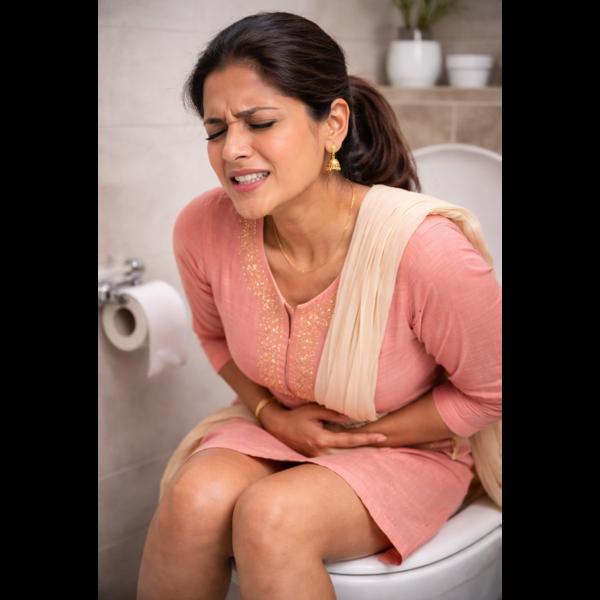
- Sharp Pain: Pain is typically experienced during and after bowel movements. The intensity of the pain may last for several minutes to hours.
- Bleeding: Small amounts of bright red blood may be noticed on the toilet paper or in the toilet bowl after a bowel movement.
- Itching or Irritation: The area around the fissure may feel itchy or irritated due to inflammation.
- Visible Tear: In some cases, a small tear in the skin around the anus can be observed.
4. Risk Factors
Certain individuals are more prone to developing anal fissures:
- Infants and Young Children: Constipation and hard stools are common in young children, which is why they frequently develop fissures.
- Older Adults: As we age, blood flow to the anal region can decrease, making the tissues more fragile and prone to tearing.
- Pregnant and Postpartum Women: The pressure of the growing uterus and the strain of childbirth increase the risk of developing fissures.
- People with Chronic Bowel Issues: Individuals with chronic diarrhea, irritable bowel syndrome (IBS), or Crohn’s disease are at higher risk of developing fissures due to recurrent bowel movements and inflammation.
5. Prevention of Anal Fissures
While some causes of anal fissures, such as childbirth or chronic bowel diseases, may be unavoidable, there are steps individuals can take to reduce the risk of fissures:
- Maintain a High-Fiber Diet: Eating a diet rich in fiber helps soften stools, making bowel movements easier and reducing the risk of constipation and straining.
- Stay Hydrated: Drinking plenty of water aids digestion and helps prevent the formation of hard stools.
- Avoid Straining: Minimize excessive straining during bowel movements by practicing healthy bathroom habits. Take your time and avoid forcing stools out.
- Manage Diarrhea: Properly manage any bouts of diarrhea to prevent irritation of the anal lining.
- Use Stool Softeners: In cases of chronic constipation, using a stool softener can help alleviate strain and reduce the risk of fissures.
6. Treatment of Anal Fissures
Most anal fissures will heal on their own with proper care. However, chronic fissures or those associated with underlying conditions may require medical attention. Common treatments include:
- Topical Medications: Numbing creams, steroid creams, or muscle relaxants (e.g., nitroglycerin) can reduce pain and promote healing.
- Warm Sitz Baths: Soaking the anal area in warm water for 10-15 minutes several times a day can help relax the sphincter muscles and relieve discomfort.
- Fiber Supplements: Adding fiber supplements to the diet can help promote soft and regular bowel movements.
- Surgical Intervention: In cases of chronic fissures that don’t respond to conservative treatment, a minor surgery called lateral internal sphincterotomy may be required to reduce muscle tension and promote healing.
Conclusion
Anal fissures are a common but painful condition that can affect individuals of all ages. While they are typically caused by trauma to the anal canal, often from hard stools or straining, they can also be triggered by underlying health issues. Preventing fissures involves maintaining a healthy diet, staying hydrated, and avoiding excessive straining. If you suspect you have an anal fissure and home remedies are not providing relief, it's important to seek medical attention to prevent further complications.