Understanding and Dealing with Pharyngitis:(Sore Throat)
Overview:
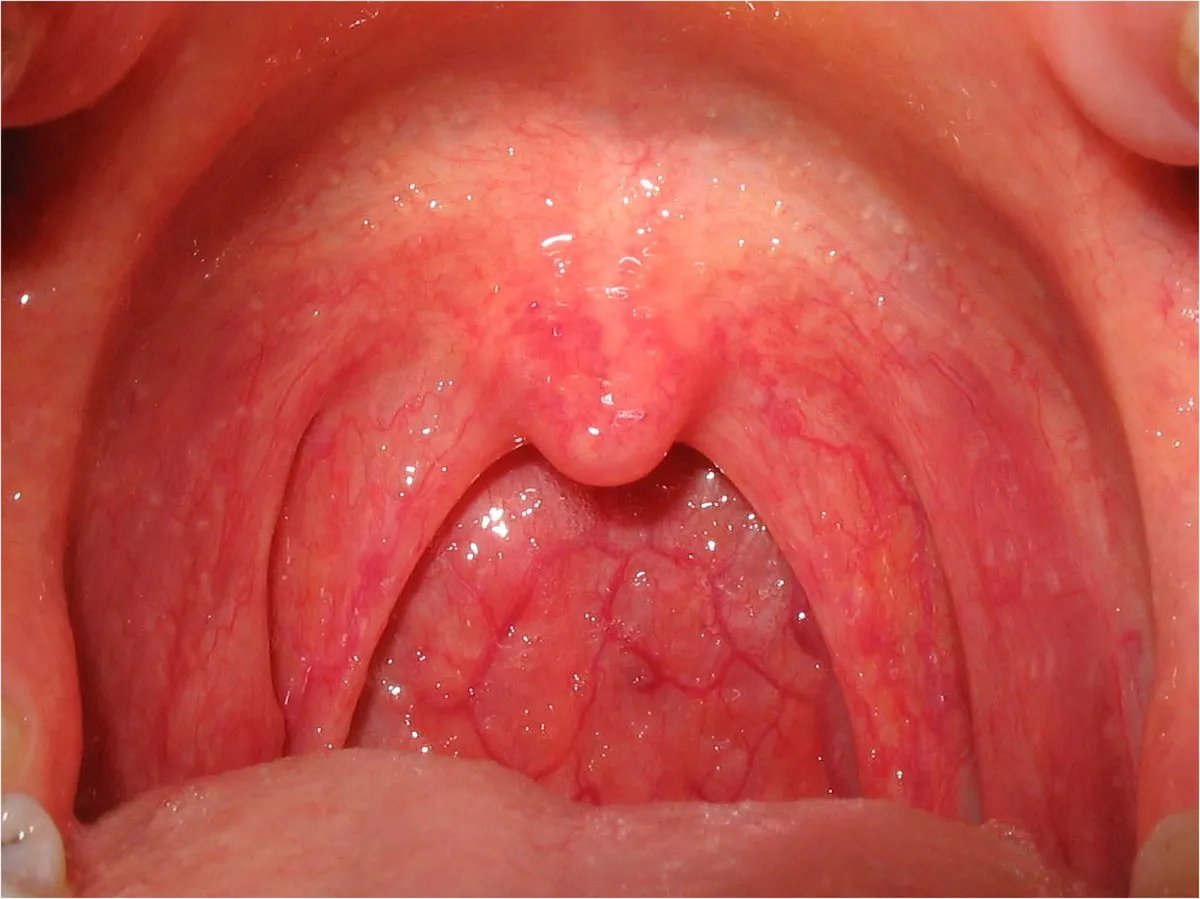
Pharyngitis, commonly known as a sore throat, is a prevalent reason for doctor visits, particularly during colder months. It can be caused by viral or bacterial infections. Identifying the cause is crucial for effective treatment.
Causes:
- Viral: Common cold, influenza, mononucleosis.
- Bacterial: Strep throat (Group A streptococcus), rare cases include gonorrhea and chlamydia.
Symptoms:
- Viral: Sore throat, sneezing, runny nose, headache, cough, fatigue, body aches, fever.
- Mononucleosis: Swollen lymph nodes, severe fatigue, muscle aches, rash.
- Strep throat: Difficulty swallowing, red throat with patches, swollen lymph nodes, fever, nausea.
Contagious Period:
- Viral infections until fever subsides.
- Strep throat until 24 hours on antibiotics.
Diagnosis:
- Physical Exam: Checking throat, ears, nose, and lymph nodes.
- Throat Culture:Swab for strep testing.
- Blood Tests: Detecting mono or other infections.
Home Care:
- Fluids, warm broth, gargling with salt water, humidifier use, rest.
- Over-the-counter medications for pain and fever.
- Alternative remedies (consult with a doctor).
Medical Treatment:
- Antibiotics for bacterial infections (complete the course).
Prevention:
- Hygiene practices: avoid sharing, handwashing, hand sanitizers.
- Avoid close contact with sick individuals.
- No smoking or exposure to secondhand smoke.
When to See a Doctor:
- Sore throat persists for over a week.
- Fever over 100.4°F.
- Swollen lymph nodes or new rash.
- Symptoms don't improve or return after antibiotic course.
Conclusion:
Most pharyngitis cases can be managed at home. However, persistent or severe symptoms warrant a doctor's visit. Maintaining good hygiene and avoiding contact with sick individuals are key preventive measures. If in doubt, consult with a healthcare professional.
Keywords