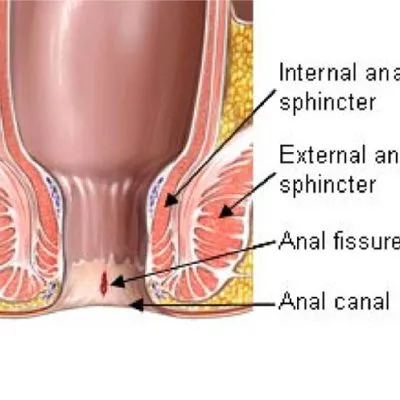
Understanding Anal Fissures: The Basics of Anatomy
Anal fissures are small tears or cracks in the lining of the anus, often resulting from trauma during bowel movements. To fully understand how and why anal fissures develop, it’s essential to have a basic grasp of the anatomy of the anal region and how this delicate area functions. This article will explore the anatomy of the anus and rectum, the surrounding muscles, and how these structures play a role in the development of anal fissures.
1. Anatomy of the Anus and Rectum
The anus is the opening at the end of the digestive tract where stool exits the body. The rectum is the final segment of the large intestine, located just above the anus. These two structures work together to store and expel waste.
The Anus: The anus consists of a highly sensitive mucosal lining that is much thinner and more delicate than the skin. This tissue can easily become damaged, especially during the passage of hard or large stools, leading to tears (fissures).
The Rectum: Above the anus, the rectum serves as a temporary storage site for stool before defecation. The rectum signals to the brain when it is full, initiating the urge to pass stool. Its structure is more robust than the anus, but issues with rectal health, such as constipation or prolonged strain, can still contribute to the development of fissures.
2. Sphincter Muscles and Their Role in Fissures
The anus is surrounded by two crucial muscles that help control bowel movements: the internal and external anal sphincters.
Internal Anal Sphincter: This involuntary muscle plays a critical role in maintaining continence (control of bowel movements). It is constantly contracted, providing a seal that prevents the leakage of stool or gas. When a person has an anal fissure, spasms in this muscle can cause intense pain and delay healing, as the constant contraction reduces blood flow to the affected area.
External Anal Sphincter: This muscle is voluntary, meaning that we have conscious control over it. It helps us hold stool in when necessary, such as delaying defecation until a suitable time. While not as directly involved in fissure formation, the external sphincter can also spasm or tighten in response to pain from a fissure, compounding discomfort.
3. Blood Supply and Healing
The blood supply to the anal region is crucial for healing any damage to the mucosal lining. However, in individuals with anal fissures, blood flow to the fissure site may be compromised, particularly when the internal anal sphincter muscle is in spasm. This reduced blood supply means that fissures can take longer to heal, especially when they become chronic (lasting more than six weeks).
4. Causes of Anal Fissures: Anatomical Considerations
Understanding the anatomy helps explain why fissures occur in certain situations:
Constipation and Hard Stools: One of the most common causes of anal fissures is the passage of large or hard stools. The delicate lining of the anus can tear under the strain of forcing out stool that is too firm, leading to a fissure.
Chronic Diarrhea: While constipation is a common cause, frequent diarrhea can also lead to fissures. The continuous irritation of watery stool passing through the anus can weaken the mucosal lining and cause small tears.
Straining During Bowel Movements: Excessive straining, often due to constipation or improper bathroom habits, increases pressure on the anal sphincter muscles, leading to injury of the anal lining.
Muscle Spasms: The internal anal sphincter muscle plays a significant role in fissure development. When this muscle is overly tense or spasms (a common response to trauma or pain), it can both cause and prolong fissures. The increased pressure prevents proper healing by limiting blood flow to the fissure.
Childbirth and Trauma: Women may develop fissures during childbirth due to the strain and stretching of the pelvic floor and anal region. In addition, physical trauma to the area, such as during anal intercourse, may result in fissures.
5. Common Locations of Fissures
Fissures tend to develop in specific areas due to anatomical weaknesses.
Posterior Midline Fissures: The most common location for anal fissures is along the posterior midline of the anus (the back side, closest to the tailbone). This area is anatomically more vulnerable because it has less blood flow and is subject to more strain during bowel movements.
Anterior Midline Fissures: In some cases, fissures develop on the anterior (front) side, particularly in women, where the anatomy differs slightly due to proximity to the vagina.
6. Nerve Supply and Pain
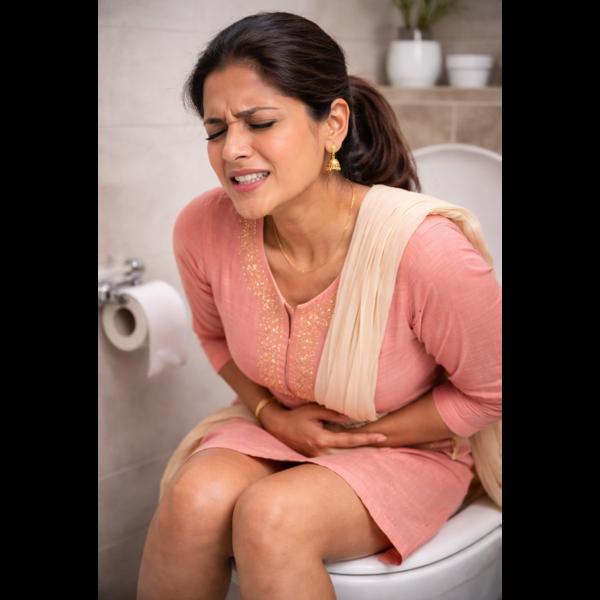
The anal region is densely packed with nerves, making it highly sensitive to pain. When a fissure forms, the exposed nerves in the mucosal lining are directly irritated, leading to the sharp, burning pain that individuals commonly describe. The pain often worsens with bowel movements, as the tear is stretched and further irritated. Muscle spasms, particularly of the internal anal sphincter, intensify this pain.
7. The Healing Process
The anatomy of the anal region can either promote or hinder the healing of fissures. Acute fissures (lasting less than six weeks) can often heal on their own with proper care, including increased fiber intake and warm sitz baths. However, when muscle spasms restrict blood flow to the area, or if the fissure is continually irritated by hard stools or strain, healing can be delayed, leading to a chronic fissure. In these cases, medical treatments like topical nitroglycerin or Botox injections, and in severe cases, surgery (lateral internal sphincterotomy), may be necessary to promote healing.
Conclusion
Understanding the basic anatomy of the anal region, including the role of the anal sphincter muscles, the sensitive mucosal lining, and the blood supply, provides insight into how anal fissures develop and why they can be so painful. Knowledge of these structures helps explain why treatments relieve muscle spasms, improve stool consistency, and promote blood flow to the fissure site. By addressing these anatomical factors, patients and healthcare providers can work together to alleviate symptoms and promote faster healing.