Treatment Options for Anal Fissures
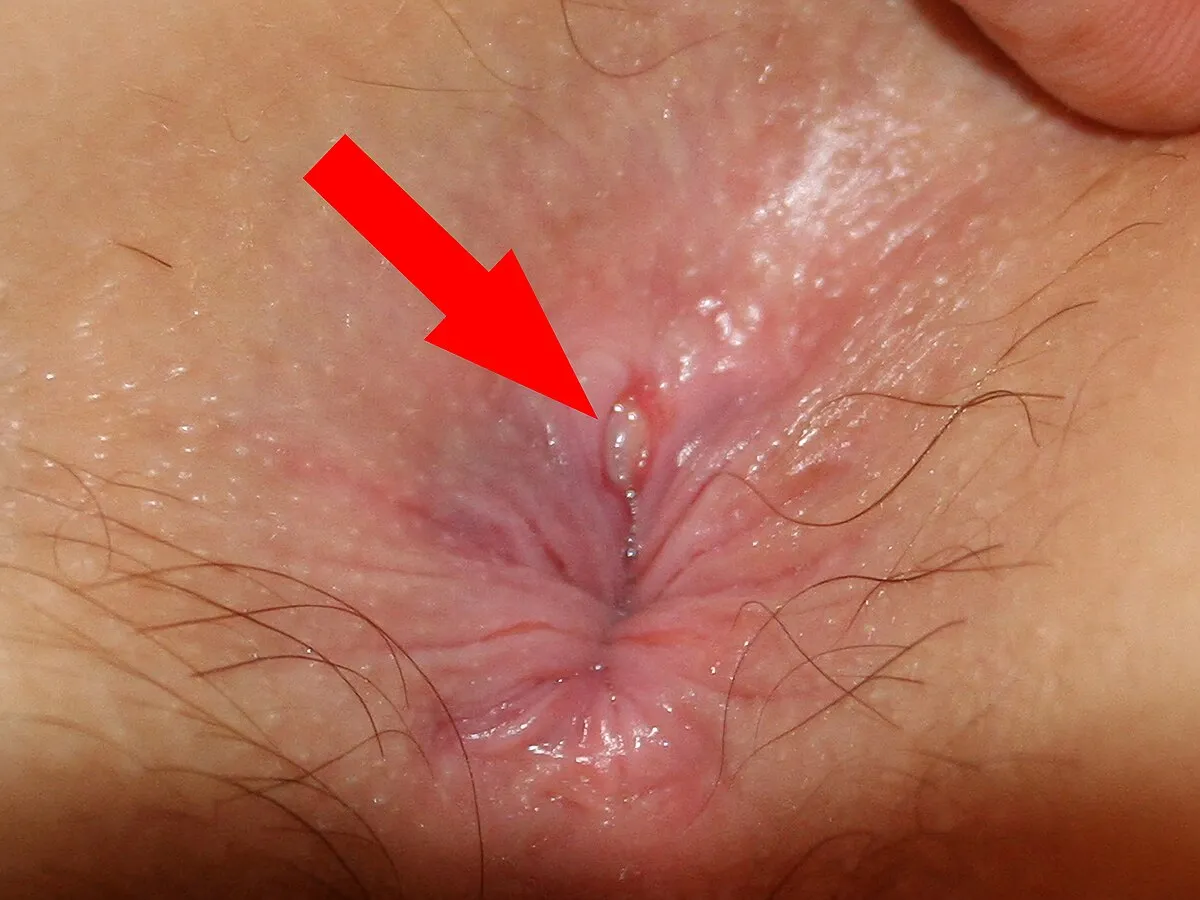
Anal fissures, small tears in the lining of the anus, can cause significant discomfort and pain, especially during bowel movements. While many fissures heal on their own with self-care, some may require medical intervention. Understanding the various treatment options is essential for finding relief and promoting healing. Treatment options for anal fissures can be categorized intoconservative treatments, medications, and surgical interventions, depending on the severity and duration of the condition.
1. Conservative Treatments (Home Care)
For most acute anal fissures, home remedies and lifestyle modifications are the first line of treatment. These conservative approaches aim to promote healing and prevent further irritation.
High-Fiber Diet: Increasing dietary fiber intake helps to soften stools and make bowel movements easier. Fiber-rich foods like fruits, vegetables, whole grains, and legumes can reduce constipation, which is a common cause of fissures. A soft stool decreases the risk of further trauma to the tear.
Hydration: Drinking plenty of water (at least 8 glasses a day) aids digestion and helps prevent the formation of hard stools, reducing the risk of constipation and straining.
Warm Sitz Baths: Soaking the affected area in a warm bath for 10-15 minutes several times a day, particularly after bowel movements, helps relax the anal sphincter and promotes blood flow to the area, which facilitates healing and reduces pain.
Avoid Straining During Bowel Movements: Straining can worsen the tear and increase pain. To avoid this, it's important to practice healthy bathroom habits, taking the time to pass stool without pushing too hard.
Stool Softeners: Over-the-counter stool softeners, such as docusate sodium, can be taken to ease bowel movements, making them less painful and reducing the risk of further tearing.
2. Topical Medications
When home remedies alone are not enough, medications may be required to aid in the healing of the fissure and alleviate symptoms. These are often prescribed for more severe or chronic fissures.
Topical Nitroglycerin (Glyceryl Trinitrate): This medication helps relax the anal sphincter muscles and increases blood flow to the fissure, promoting healing. Nitroglycerin ointment can also relieve pain by reducing sphincter spasms. However, it may cause side effects like headaches, which are relatively common.
Calcium Channel Blockers (e.g., Diltiazem, Nifedipine): These medications are used topically to relax the smooth muscle of the anal sphincter, helping the fissure to heal. They are an effective alternative to nitroglycerin for patients who cannot tolerate its side effects. These medications also improve blood flow to the anal region, which promotes faster healing.
Topical Anesthetics: Creams containing lidocaine or similar numbing agents can be applied directly to the fissure to provide temporary pain relief, especially during bowel movements.
Corticosteroid Creams: For fissures that are associated with inflammation, corticosteroid creams may be used to reduce swelling and irritation. However, long-term use of steroids is not recommended, as they can thin the skin and delay healing.
3. Botox Injections
For chronic anal fissures that do not respond to conservative treatments or topical medications, Botulinum toxin (Botox) injections may be recommended. Botox works by temporarily paralyzing the anal sphincter muscle, reducing spasm and allowing the fissure to heal. This treatment is particularly effective for chronic fissures where muscle spasms prevent proper healing.
Advantages: Botox is minimally invasive and effective in many cases. It is a good alternative for patients who want to avoid surgery.
Limitations: The effects of Botox are temporary, lasting around 2-4 months, so in some cases, the fissure may recur once the effect wears off. However, the fissure often heals completely within this time.
4. Surgical Options
Surgery may be required if the fissure becomes chronic, meaning it lasts for more than 6-8 weeks, or if other treatments have failed to provide relief. Surgery is typically a last resort but offers high success rates.
Lateral Internal Sphincterotomy (LIS): This is the most common surgical procedure for treating anal fissures. During LIS, a small portion of the internal anal sphincter is cut to reduce muscle tension, allowing the fissure to heal more easily. The procedure is usually performed on an outpatient basis and has a very high success rate, with most patients experiencing relief within a few days.
- Advantages: LIS effectively relieves pain and promotes long-term healing by reducing sphincter muscle spasms. It has a success rate of over 90%.
- Risks: Like any surgery, there are some risks involved, including a small risk of infection and, in rare cases, minor incontinence (inability to control gas or stool). However, the risk of long-term incontinence is very low when performed by an experienced surgeon.
Fissurectomy: In some cases, the surgeon may remove the fissure and surrounding tissue to promote healing. Fissurectomy is less commonly performed than LIS but may be considered in more complex or recurrent cases.
5. Alternative and Integrative Approaches
Some patients explore alternative or integrative approaches to complement their medical treatments. These include:
Ayurvedic Treatments: Ayurveda, the traditional Indian system of medicine, suggests the use of herbal remedies and dietary changes to promote healing. For example, Triphala churna, an herbal powder, is commonly used to improve digestion and relieve constipation, which helps prevent fissures.
Pelvic Floor Therapy: Physical therapy aimed at strengthening and relaxing the pelvic floor muscles can help patients with chronic fissures, particularly those associated with muscle tension.
Conclusion
Anal fissures are a painful but treatable condition. While most fissures heal on their own with home care and lifestyle changes, chronic or severe cases may require more advanced treatments, such as topical medications, Botox injections, or surgery. By understanding the available treatment options, patients can seek the appropriate care to find relief and promote healing. It’s essential to consult a healthcare professional for personalized advice and to choose the best course of treatment based on the severity of the condition.