Transanal Hemorrhoidal Dearterialization (THD)
A Minimally Invasive Solution for Internal Hemorrhoids
Transanal Hemorrhoidal Dearterialization (THD) is an advanced, minimally invasive procedure designed to treat internal hemorrhoids effectively. At Sukhayu Hospital, located in Canada Corner, Nasik, Maharashtra, we specialize in offering this modern treatment to patients who are seeking an effective, quick recovery solution for their hemorrhoidal condition.
This technique is based on a precise approach to target and ligate the blood vessels supplying the hemorrhoidal tissue, effectively reducing its size and alleviating associated symptoms such as bleeding, pain, and prolapse.
What is Transanal Hemorrhoidal Dearterialization (THD)?
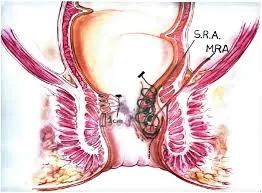
THD is a minimally invasive procedure that involves using Doppler ultrasound technology to locate the blood vessels that supply the hemorrhoids. The surgeon then ties off (ligates) these vessels to reduce the blood flow to the hemorrhoidal tissue, causing it to shrink and symptoms to subside.
Unlike traditional hemorrhoid surgery, THD focuses on preserving the surrounding tissue while specifically targeting the hemorrhoidal arteries. This results in a more comfortable recovery process with minimal pain and reduced risk of complications.
When is Transanal Hemorrhoidal Dearterialization (THD) Recommended?
THD is most suitable for patients with Grade II and Grade III hemorrhoids, especially those who experience symptoms such as:
- Painful, prolapsed hemorrhoids
- Bleeding during or after bowel movements
- Chronic hemorrhoidal symptoms despite conservative treatment
- Failure of other non-surgical interventions like rubber band ligation or sclerotherapy
Pros of Transanal Hemorrhoidal Dearterialization (THD)
- Minimally Invasive:
- THD does not require cuts, excisions, or extensive tissue removal. It is a gentle procedure with minimal disruption to surrounding healthy tissue.
- Minimal Postoperative Pain:
- Patients typically experience less pain compared to traditional hemorrhoidectomy procedures, making the recovery process more comfortable.
- Faster Recovery:
- Most patients can resume their daily activities within a few days after the procedure due to its minimally invasive nature.
- Reduced Risk of Infection:
- Since no tissue is excised and there are no open wounds, the risk of postoperative infection is significantly lower than in traditional surgery.
- No Need for Stitches:
- The procedure does not require any stitches or sutures, contributing to a quicker and easier recovery process.
- Preservation of Tissue:
- The technique targets only the blood vessels that supply the hemorrhoids, preserving surrounding tissue and ensuring minimal damage.
Cons of Transanal Hemorrhoidal Dearterialization (THD)
- Not Suitable for Advanced Hemorrhoids:
- While THD is effective for Grade II and Grade III hemorrhoids, it may not be suitable for Grade IV hemorrhoids or those that have developed severe prolapse requiring excision.
- Possible Recurrence:
- In some cases, hemorrhoids may recur after THD, particularly if lifestyle factors such as constipation or prolonged sitting are not addressed.
- Risk of Complications:
- Although rare, there may be complications such as incomplete ligation, bleeding, or infection if the arteries are not ligated properly.
- Temporary Discomfort:
- Some patients may experience mild discomfort, bloating, or a feeling of fullness in the rectum for a short period after the procedure.
- Not a Cure for Lifestyle Factors:
- THD addresses the symptoms of hemorrhoids, but it does not treat the underlying lifestyle factors (such as poor diet, straining during bowel movements, or prolonged sitting) that can contribute to the condition.
Postoperative Care and Recovery
After undergoing Transanal Hemorrhoidal Dearterialization (THD), patients should follow these essential guidelines to ensure a smooth recovery:
- Rest: Limit physical activity and avoid strenuous tasks for a few days post-surgery.
- Dietary Modifications: Consume a fiber-rich diet and stay hydrated to avoid constipation.
- Pain Management: Over-the-counter pain relievers or prescribed medications can help manage any discomfort.
- Avoid Straining: It is important to avoid straining during bowel movements to ensure proper healing.
- Follow-Up Visits: Regular follow-up visits will be scheduled to monitor recovery and ensure that the hemorrhoids are adequately treated.
Conclusion
Transanal Hemorrhoidal Dearterialization (THD) offers an advanced, minimally invasive solution for patients who suffer from internal hemorrhoids. It provides effective treatment with minimal pain, faster recovery, and a lower risk of complications compared to traditional hemorrhoidectomy procedures.
At Sukhayu Hospital, our expert surgical team specializes in providing personalized care for hemorrhoid patients. We use the latest techniques such as THD to ensure that you receive the most effective treatment tailored to your specific condition.
If you're struggling with hemorrhoids and want to explore the benefits of Transanal Hemorrhoidal Dearterialization (THD), contact Sukhayu Hospital today at 7420004242 for a consultation.
Keywords