The Rise of Vaping in India: A Focus on Maharashtra and Nashik
Introduction
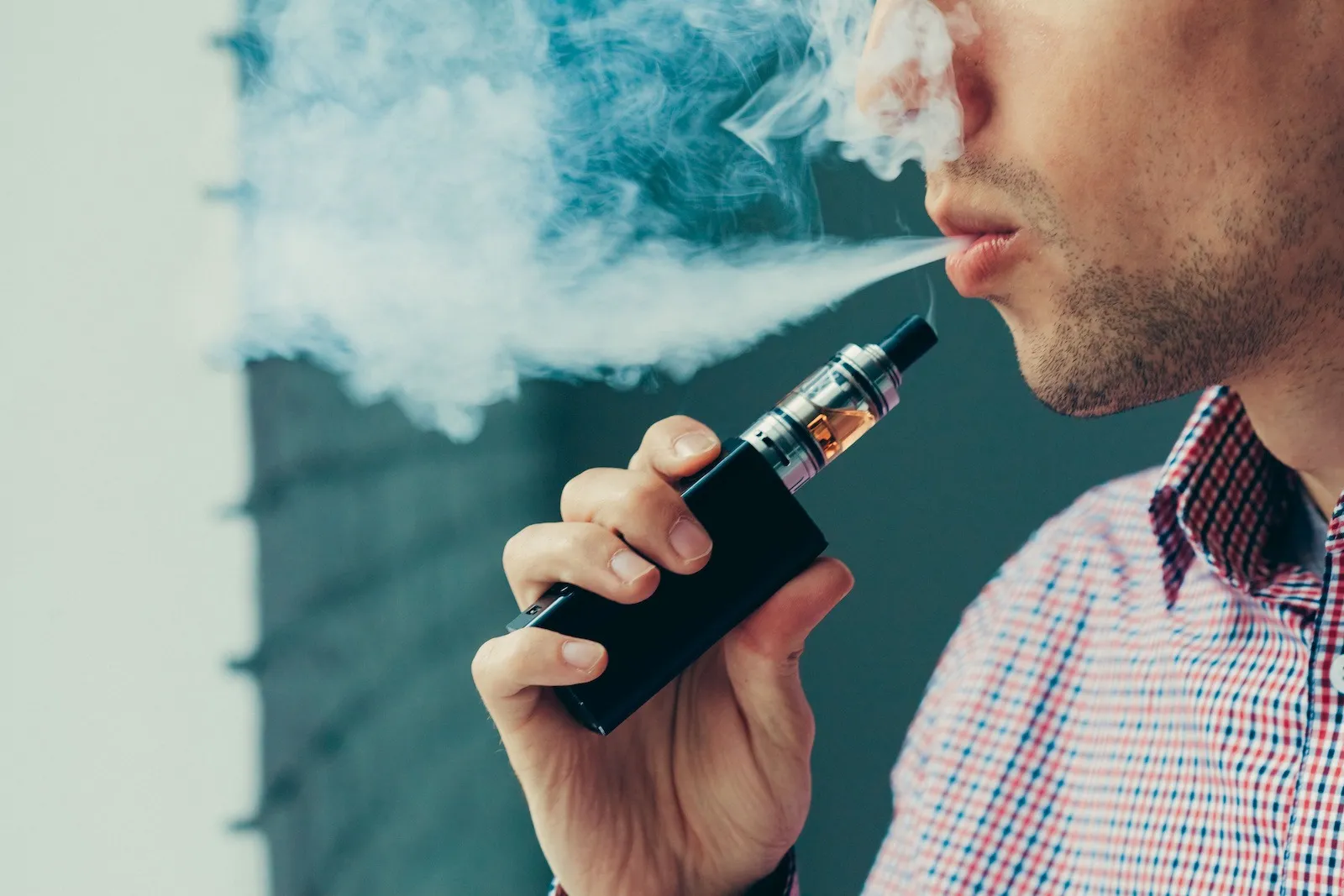
Vaping, the use of electronic cigarettes (e-cigarettes) or vape pens to inhale a vaporized liquid, has seen a surge in popularity worldwide, including in India. This trend, which originated as an alternative to traditional smoking, is particularly evident in urban and semi-urban areas. In Maharashtra, and specifically in Nashik, vaping has gained traction among the youth and young adults. However, this rise has also sparked significant health and regulatory concerns.
The Popularity of Vaping in India and Maharashtra
National Trends
India, home to one of the largest populations of smokers, has seen an increasing number of individuals turning to vaping as an alternative to traditional tobacco products. Several factors contribute to this trend:
- Health Perceptions Many perceive vaping as a less harmful option compared to smoking cigarettes, which are known to cause serious health issues.
- Flavor Variety The diverse range of e-liquid flavors available in the market attracts many users, particularly younger demographics.
- Social Influence: Vaping is often seen as a modern and trendy activity, influenced by Western lifestyles and social media.
Specifics of Maharashtra and Nashik
Maharashtra, one of India's most progressive states, mirrors the national trends in vaping. Nashik, a city known for its cultural heritage and educational institutions, has become a hotspot for vaping among its youth. The city's young population, influenced by global trends and local peer groups, finds vaping appealing for several reasons:
- Availability: Vaping products are easily accessible through both physical stores and online platforms.
- Affordability: Compared to the long-term costs of smoking, many find vaping to be a more cost-effective option.
- Cultural Acceptance: As with other urban centers, Nashik’s youth are increasingly open to adopting new lifestyle trends, including vaping.
Health Risks and Concerns
Despite its popularity, vaping is not without significant health risks, which have raised concerns among health professionals and authorities in Nashik and Maharashtra:
- Nicotine Addiction: Many vaping liquids contain nicotine, a highly addictive substance. The rise in vaping among Nashik's youth has led to worries about increased nicotine dependence.
- Respiratory Issues: Inhalation of aerosolized chemicals from vaping can cause respiratory problems, including asthma and bronchitis.
- Cardiovascular Effects: Vaping can elevate heart rate and blood pressure, contributing to potential cardiovascular issues.
- Lack of Long-term Data: Vaping is a relatively new phenomenon in India, and the long-term health effects remain largely unknown, prompting caution among healthcare providers.
Regulatory Landscape in India and Maharashtra
In response to the rising concerns, India has implemented strict regulations on vaping:
- National Ban: In September 2019, the Government of India announced a nationwide ban on e-cigarettes, prohibiting their production, import, sale, and advertisement. This decision aimed to prevent the initiation of nicotine addiction among youth and mitigate health risks.
- Enforcement in Maharashtra: Maharashtra, being one of the leading states in public health initiatives, has been proactive in enforcing the national ban. Local authorities in Nashik have conducted raids and imposed penalties on establishments found violating the ban.
Local Efforts and Challenges
Despite the ban, enforcement remains challenging:
- Black Market The ban has led to the emergence of a black market for vaping products, making regulation difficult.
- Awareness CampaignsHealth authorities in Nashik and Maharashtra are conducting awareness campaigns to educate the public about the risks of vaping and the legal repercussions of using banned products.
- Support for Quitting: Local health services are offering support and resources for individuals looking to quit smoking or vaping, emphasizing the benefits of a nicotine-free lifestyle.
Conclusion
The rise of vaping in India, and specifically in Maharashtra and Nashik, reflects global trends but also brings unique challenges. While vaping is seen by some as a safer alternative to smoking, its health risks and the potential for addiction are significant concerns. The Indian government's proactive stance in banning e-cigarettes aims to protect public health, particularly among youth. However, ongoing efforts in enforcement and public education are crucial to addressing the complexities of this issue and ensuring the well-being of the population.
Keywords