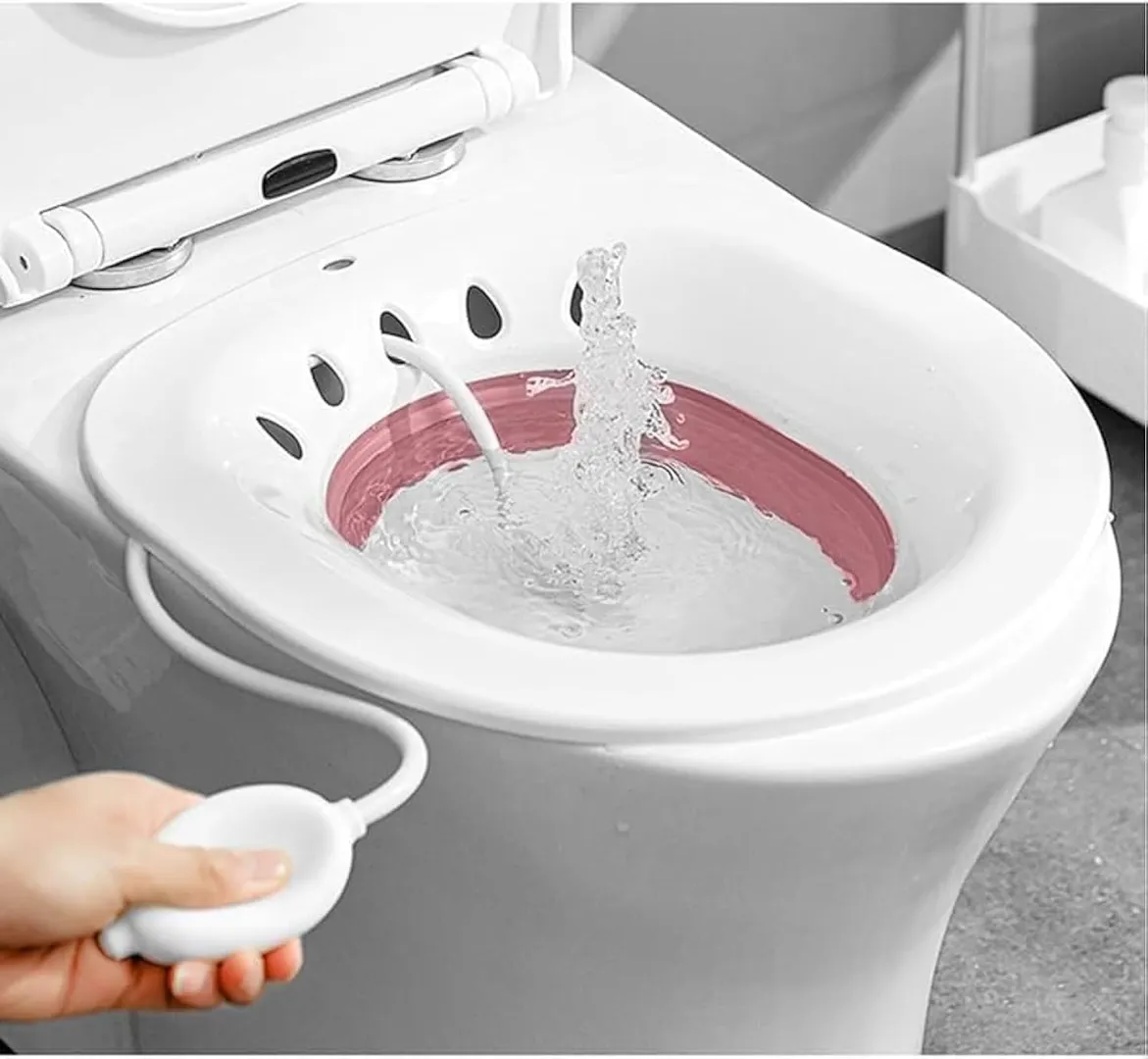
The Importance of Sitz Bath: A Therapeutic Approach for Pain Relief and Healing
A sitz bath, derived from the German word “sitzen,” meaning “to sit,” is a therapeutic bathing method that involves immersing the perineal and anal areas in warm water. This simple yet effective practice has been used for centuries to alleviate discomfort and promote healing in various medical conditions, particularly in anorectal and genital health.
The Origins of the Name "Sitz Bath"
The term "sitz bath" originates from the German language, where "sitzen" translates to "sitting." This aptly describes the practice of sitting in shallow water to target specific areas of the body. Historically, sitz baths were a common remedy in European cultures for promoting hygiene and addressing ailments of the lower body.
Medical Applications of Sitz Baths
Sitz baths are widely recommended in medical practice for conditions that benefit from localized warmth and hygiene. Common indications include:
- Hemorrhoids: Reduces inflammation and relieves pain by improving blood flow and reducing venous congestion.
- Post-Surgical Care: Assists in the healing process following anorectal surgeries such as hemorrhoidectomy or fistulotomy.
- Perineal Tears and Episiotomies: Promotes healing and reduces discomfort in postpartum patients.
- Anal Fissures: Relaxes the anal sphincter, alleviating spasms and pain.
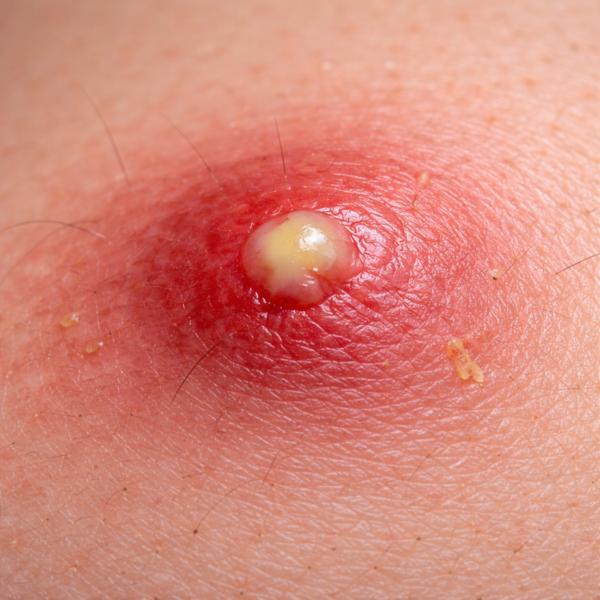
- Infections: Helps in managing localized infections, such as abscesses, by enhancing drainage and reducing bacterial load.
- Chronic Pelvic Pain Syndromes: Provides symptomatic relief by relaxing pelvic floor muscles.
Physiological Benefits
The warm water of a sitz bath provides several therapeutic benefits:
- Increased Circulation: Enhances blood flow to the perineal area, promoting oxygenation and nutrient delivery for tissue repair.
- Muscle Relaxation: Relieves spasms in the anal sphincter and surrounding muscles, reducing pain.
- Anti-Inflammatory Effect: The warmth helps reduce localized swelling and inflammation.
- Improved Hygiene: Flushes out secretions, blood clots, and other irritants, preventing infection.
Proper Technique for a Sitz Bath
Achieving optimal results from a sitz bath requires the correct technique. Below is a step-by-step guide:
Equipment Needed
- Sitz bath basin (fits over a standard toilet) or a clean bathtub.
- Warm water (37°C to 40°C; avoid excessively hot water to prevent burns).
- Optional: Additives such as Epsom salt, povidone-iodine solution, or herbal decoctions as advised by a healthcare provider.
Procedure
- Preparation: Clean the sitz bath basin or bathtub thoroughly before use. Fill with warm water to a depth that immerses the perineal and anal areas (2-4 inches in a basin).
- Positioning: Sit comfortably in the bath, ensuring the affected area is fully submerged. Avoid applying pressure to the area.
- Duration: Remain seated for 15-20 minutes. This duration allows the warm water to take effect.
- Post-Bath Care: Pat the area dry gently with a soft towel. Avoid vigorous rubbing to prevent irritation. Apply any prescribed ointments or creams if instructed by a physician.
Frequency
Typically, a sitz bath is recommended 2-3 times a day or as advised by a healthcare provider. The frequency often depends on the specific condition being addressed. For acute conditions like anal fissures or postpartum perineal pain, more frequent sitz baths can provide immediate relief by soothing inflamed tissues and reducing muscle spasms. For chronic conditions such as pelvic pain syndromes, a consistent and long-term regimen may be necessary to achieve sustained therapeutic benefits. Adhering to the prescribed frequency ensures optimal healing and minimizes the risk of complications such as infection or prolonged inflammation.
Safety Precautions
While sitz baths are generally safe, certain precautions must be observed:
- Water Temperature: Use lukewarm water to avoid burns or discomfort.
- Cleanliness: Ensure the basin or tub is sanitized before and after use to prevent infections.
- Monitoring: Patients with circulatory disorders, such as diabetes, should consult their doctor before starting sitz baths.
Medical Terminology and Mechanism of Action
The sitz bath works by leveraging the principles of thermotherapy and hydrotherapy:
- Thermotherapy: The warm water induces vasodilation in the perineal region, enhancing microcirculation and accelerating the healing of tissues.
- Hydrotherapy: The buoyancy effect reduces pressure on the pelvic floor muscles, alleviating discomfort and spasms.
- Antiseptic Additives: In cases of infection, additives like povidone-iodine provide antimicrobial action, aiding in the reduction of bacterial load.
Conclusion
A sitz bath is a simple, non-invasive, and highly effective therapeutic practice with significant applications in anorectal and perineal health. By following proper technique and incorporating medical advice, patients can experience substantial relief from pain and faster recovery. Its continued use in modern medicine underscores its enduring value as a cost-effective and accessible remedy for a variety of conditions.
Keywords