
Syphilis
Syphilis is a sexually transmitted infection (STI) caused by the bacterium Treponema pallidum. It can also be transmitted from mother to baby during childbirth, resulting in congenital syphilis. The infection progresses in stages and can cause a wide range of symptoms if left untreated. Here's a breakdown of the key information about syphilis:
1. Causes: Syphilis is caused by the bacterium Treponema pallidum. It is primarily transmitted through sexual contact, including vaginal, anal, and oral sex. It can also be transmitted from mother to baby during pregnancy or childbirth.
2. Stages: Syphilis progresses through several stages, each with its own set of symptoms:
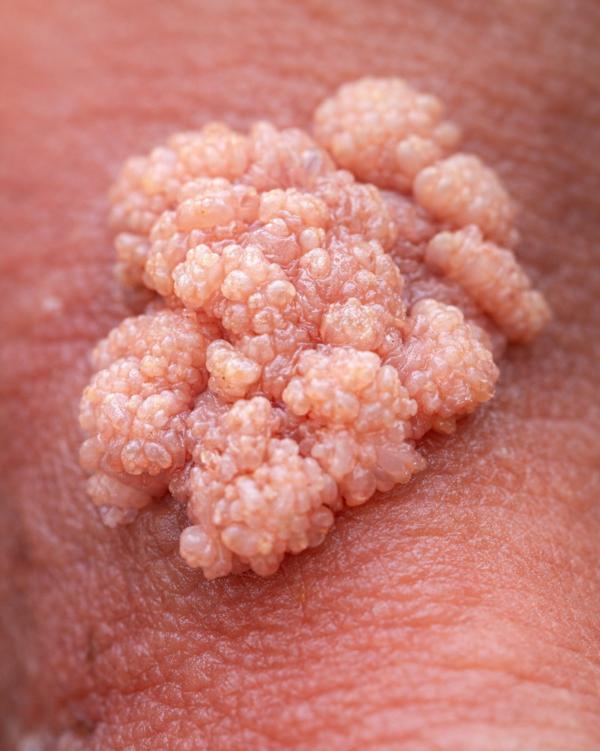
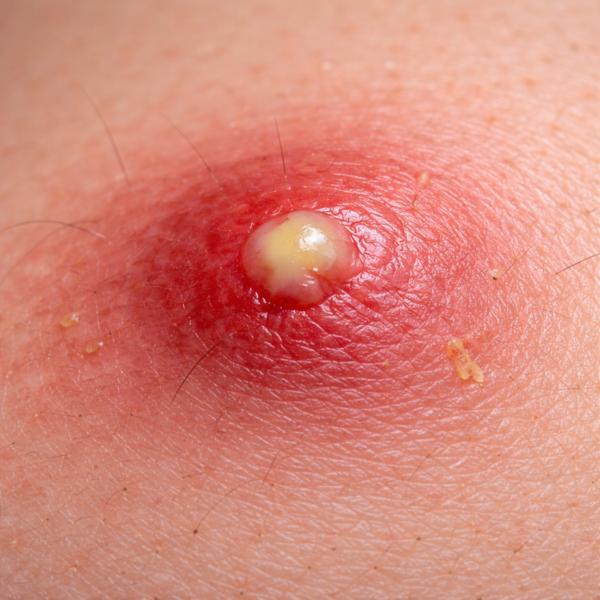
- Primary syphilis: Characterized by the appearance of a painless sore or chancre at the site of infection (usually genitals, anus, or mouth).
- Secondary syphilis: Involves the development of a rash and flu-like symptoms, including fever, swollen lymph nodes, sore throat, and muscle aches.
- Latent syphilis: In this stage, the infection remains dormant with no symptoms. It can last for years.
- Tertiary syphilis: If untreated, syphilis can progress to this stage, which can lead to severe complications such as damage to the heart, brain, nerves, and other organs. Tertiary syphilis is rare but can be life-threatening.
3. Diagnosis: Syphilis can be diagnosed through various methods, including:
- Blood tests: Such as the treponemal and non-treponemal tests, which detect antibodies produced by the body in response to the infection.
- Examination of lesions: A doctors may examine the sores or rash associated with syphilis for diagnosis.
4. Treatment: Syphilis is curable with antibiotics, typically penicillin. The type and duration of treatment depend on the stage of the infection. It's essential to complete the full course of antibiotics as prescribed by a healthcare provider.
5. Prevention: Preventing syphilis involves practicing safe sex, including consistent and correct condom use, reducing the number of sexual partners, and being in a mutually monogamous relationship with an uninfected partner. Regular testing for STIs, including syphilis, is also important, especially for those at higher risk.
6. Complications: Untreated syphilis can lead to severe complications, including neurosyphilis (infection of the nervous system), cardiovascular syphilis (infection of the heart and blood vessels), and other organ damage. Congenital syphilis can result in miscarriage, stillbirth, or serious health problems in newborns.
7. Global Impact: Syphilis remains a significant public health concern globally, with millions of new cases reported each year. Efforts to increase awareness, promote testing and treatment, and improve access to healthcare services are crucial in controlling the spread of the infection.
It's important to note that early detection and treatment of syphilis are essential to prevent complications and reduce the risk of transmission to others. Anyone who suspects they may have syphilis should seek medical attention promptly for testing and treatment.
Keywords