Submucosal Hemorrhoidectomy: A Less Invasive Option for Hemorrhoid Treatment
Submucosal Hemorrhoidectomy is a specialized surgical technique used to treat internal hemorrhoids that are particularly large or prolapsed but do not respond to conservative treatments like diet modifications, lifestyle changes, or medications. This procedure, which removes the hemorrhoidal tissue from beneath the mucosal lining of the rectum, offers an effective solution for patients seeking relief from the pain, bleeding, and discomfort caused by advanced hemorrhoids.
At Sukhayu Hospital, located in Canada Corner, Nasik, Maharashtra, we offer Submucosal Hemorrhoidectomy as part of our comprehensive approach to hemorrhoidal care. This procedure is particularly beneficial for patients with Grade II and Grade III hemorrhoids who require surgical intervention but prefer a less invasive treatment option compared to traditional hemorrhoidectomy.
What is Submucosal Hemorrhoidectomy?
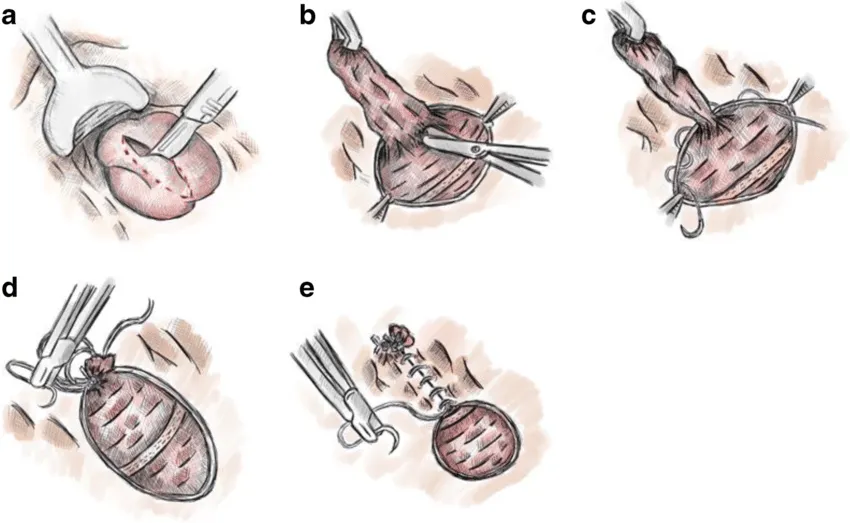
Submucosal Hemorrhoidectomy involves the removal of hemorrhoidal tissue located underneath the mucosal layer of the rectum, which helps to address the prolapse and bleeding commonly associated with internal hemorrhoids. Unlike conventional hemorrhoidectomy, which removes both the hemorrhoidal tissue and the surrounding skin, the submucosal technique focuses only on the tissue beneath the mucosa, leaving the skin largely undisturbed.
This method is performed under general or spinal anesthesia and may involve a minimally invasive approach. The primary goal of the surgery is to relieve symptoms such as bleeding, pain, and prolapse while minimizing the post-surgical discomfort and recovery time typically associated with more invasive procedures.
When is Submucosal Hemorrhoidectomy Recommended?
Submucosal Hemorrhoidectomy is recommended for patients with:
- Grade II or Grade III Hemorrhoids: Hemorrhoids that are prolapsed or causing frequent bleeding, but are not yet in the advanced stage (Grade IV).
- Chronic Hemorrhoidal Symptoms: Patients who have not responded to conservative treatments like diet changes, medications, or rubber band ligation.
- Prolapsed Internal Hemorrhoids: Hemorrhoids that protrude outside the anus and require surgical removal.
- Pain and Bleeding: Persistent pain, discomfort, or bleeding that does not improve with non-surgical treatments.
If you're experiencing severe hemorrhoidal symptoms that affect your quality of life, a Submucosal Hemorrhoidectomy may be the right option for you.
Pros of Submucosal Hemorrhoidectomy
- Minimally Invasive:
- This procedure removes hemorrhoidal tissue with minimal disruption to surrounding tissues, which can result in a faster recovery and less post-operative pain.
- Reduced Risk of Complications:
- Since the surgery targets the submucosal tissue rather than the entire hemorrhoid, there is a reduced risk of complications like anal stenosis or excessive scarring.
- Shorter Recovery Time:
- The recovery period is generally shorter compared to traditional hemorrhoidectomy, with many patients returning to normal activities within a week.
- Preservation of Anorectal Function:
- By avoiding cutting through the skin or outer layers of tissue, this procedure helps maintain normal anorectal function, reducing the risk of issues like incontinence or scarring.
- Effective for Large Prolapsed Hemorrhoids:
- Submucosal Hemorrhoidectomy is ideal for treating large internal hemorrhoids that have not responded to conservative treatments.
Cons of Submucosal Hemorrhoidectomy
- Postoperative Discomfort:
- Although the procedure is less invasive than traditional methods, some discomfort and swelling in the anal area are still common after the surgery.
- Risk of Recurrence:
- While the procedure is effective for managing hemorrhoidal symptoms, there is a chance of recurrence, especially if patients do not follow post-surgery care instructions or maintain a proper diet and lifestyle.
- Possible Risk of Infection:
- As with any surgical procedure, there is a risk of infection at the surgical site, although this risk is minimized with proper hygiene and care.
- Limited Applicability for Advanced Hemorrhoids:
- Submucosal Hemorrhoidectomy is most effective for Grade II and Grade III hemorrhoids. For Grade IV hemorrhoids, a more invasive procedure may be necessary.
- Postoperative Care:
- Patients need to carefully follow a fiber-rich diet, take stool softeners, and avoid straining during bowel movements to ensure proper healing and avoid complications like recurrence or bleeding.
Postoperative Care and Recovery
Recovery following a Submucosal Hemorrhoidectomy is relatively quick, but certain precautions are necessary:
- Pain Management:
- Over-the-counter pain relievers, sitz baths, and topical medications can help alleviate discomfort in the immediate postoperative period.
- Dietary Recommendations:
- A high-fiber diet with plenty of fluids is essential to avoid constipation, which can put strain on the healing surgical site.
- Avoid Straining:
- It's crucial to avoid straining during bowel movements, as this can cause irritation to the surgical site and slow down the healing process.
- Rest and Recovery:
- Most patients can return to normal daily activities within a few days, but heavy lifting or strenuous physical activities should be avoided for at least 2-3 weeks post-surgery.
- Follow-up Appointments:
- Regular follow-up visits with your surgeon are important to monitor the healing process and ensure there are no complications.
Conclusion
Submucosal Hemorrhoidectomy is an effective, minimally invasive surgical solution for internal hemorrhoids that provide lasting relief from painful symptoms like bleeding and prolapse. The procedure is designed to minimize discomfort and speed up recovery, making it an excellent option for patients with Grade II or III hemorrhoids.
At Sukhayu Hospital, our experienced surgical team specializes in hemorrhoid treatment, offering Submucosal Hemorrhoidectomy as part of our commitment to delivering compassionate and effective care for our patients. If you’re suffering from severe hemorrhoids and need expert treatment, contact us today at 7420004242 for a consultation.
Keywords