
Sharp Burning and Persistent: The Pain of Anal Fissure Explained
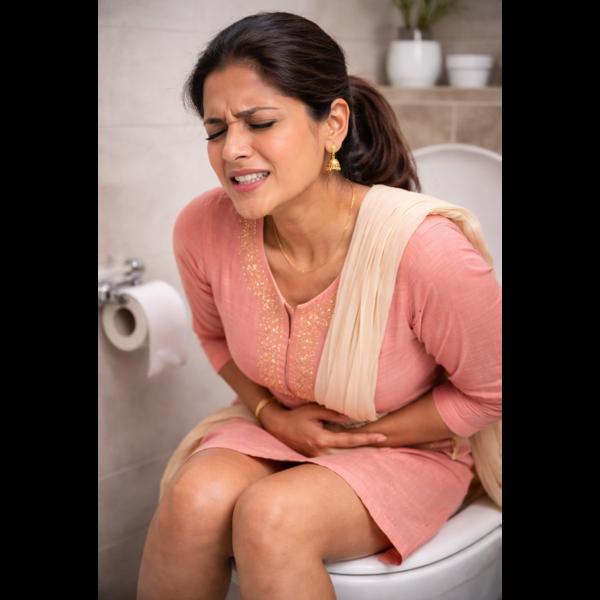
The pain associated with anal fissures is typically described as sharp, intense, and burning, particularly during and immediately after a bowel movement. This discomfort is often so severe that it can make passing stool an anxious and distressing experience for those affected. Here's a more detailed description of the nature of the pain:
1. Sharp Pain During Bowel Movements
The pain is usually most severe at the moment of passing stool. The sensation is often likened to passing glass or sharp objects due to the tear in the delicate tissue lining the anus. It can be a sudden, stabbing pain that peaks as the stool passes through the anal canal.
2. Burning Sensation Afterward
Once the bowel movement is over, the pain may transition into a burning or throbbing sensation that can persist for several minutes or even hours. This prolonged discomfort happens because the anal sphincter muscle often goes into spasm as a reaction to the fissure, tightening around the tear and preventing it from healing quickly.
3. Spasm-Induced Pain
The anal sphincter muscle spasms that accompany fissures can further intensify the pain. These spasms occur as the body's reflexive response to the tear, but they restrict blood flow to the area, causing ongoing discomfort that can last long after the initial bowel movement.
4. Pain Severity and Impact
The intensity of the pain can vary depending on the severity of the fissure and whether it's acute (recent) or chronic (persistent). In some cases, the pain is so excruciating that individuals may avoid going to the bathroom, which unfortunately worsens constipation and can exacerbate the fissure.
5. Accompanying Symptoms
Along with pain, other symptoms may include:
- Bright red bleeding: typically noticed on toilet paper or in the toilet bowl.
- Itching and irritation: the area around the anus may become inflamed and irritated, adding to the discomfort.
- Discomfort when sitting: Prolonged sitting, especially on hard surfaces, may aggravate the pain.
Psychological Effects
Due to the sharp, recurring nature of the pain, people with anal fissures may experience anxiety or fear surrounding bowel movements, further complicating the issue by leading to stool retention or worsening constipation.
In summary, the pain of anal fissures is sharp and often intense, worsens during bowel movements, and can persist for hours after, affecting the quality of life significantly.
Keywords