Sclerotherapy for Hemorrhoids: A Minimally Invasive Treatment
Sclerotherapy is a simple, effective, and minimally invasive treatment option used to manage internal hemorrhoids. This procedure involves the injection of a sclerosing agent into the hemorrhoidal tissue, causing it to shrink and eventually be reabsorbed by the body. Sukhayu Hospital in Canada Corner, Nasik, Maharashtra, offers Sclerotherapy as a viable treatment for hemorrhoids, especially for patients who wish to avoid more invasive surgical procedures.
What is Sclerotherapy?
Sclerotherapy is a non-surgical treatment option primarily used for Grade I and II internal hemorrhoids. In this procedure, a sclerosing solution, such as phenol or sodium tetradecyl sulfate, is injected directly into the blood vessels of the hemorrhoid. This causes an inflammatory response that seals off the blood vessels, leading to the shrinkage and eventual disappearance of the hemorrhoid.
Sclerotherapy is typically performed on an outpatient basis, with most patients able to resume normal activities immediately after the procedure.
Drugs Used in Sclerotherapy
The most commonly used sclerosing agents for hemorrhoid treatment include:
- Phenol in Oil:
- Phenol in oil is a widely used sclerosing agent that irritates the blood vessels, causing them to constrict and shrink. This agent is injected directly into the hemorrhoidal tissue, leading to the formation of a fibrotic scar that reduces the size of the hemorrhoids.
- Sodium Tetradecyl Sulfate (STS):
- Sodium tetradecyl sulfate is another effective sclerosing agent used in sclerotherapy. It works by causing the endothelial cells in the blood vessels to be damaged, leading to thrombosis and fibrosis. It is a safe and commonly used option for internal hemorrhoids.
- Polidocanol:
- Polidocanol is a newer sclerosing agent that has similar mechanisms of action as sodium tetradecyl sulfate. It causes endothelial cell damage and subsequent thrombosis of the hemorrhoidal vessels, leading to the reduction of hemorrhoidal tissue.
- Chromic Sulfate:
- Chromic sulfate is sometimes used for sclerotherapy, especially for larger hemorrhoids. It is an effective agent in causing vessel closure and promoting tissue shrinkage.
- Absolute Alcohol:
- Absolute alcohol is less commonly used due to its higher risk of complications but can be effective in severe cases. It causes intense tissue irritation, leading to the formation of a fibrotic scar and a reduction in hemorrhoidal size.
When is Sclerotherapy Recommended?
Sclerotherapy is recommended for patients who have:
- Grade I and II Hemorrhoids: These are internal hemorrhoids that are not prolapsed (i.e., they do not protrude from the anus).
- Chronic Bleeding: Patients experiencing persistent bleeding from hemorrhoids, which may not have responded to conservative treatments.
- Minimal Symptoms: If the hemorrhoids are causing discomfort but have not advanced to a stage where more aggressive treatments, like surgery, are needed.
- Preference for Non-Surgical Treatment: Patients who prefer a non-invasive option with a quick recovery.
How is Sclerotherapy Performed?
The Sclerotherapy procedure typically follows these steps:
- Preparation:
- The patient is positioned comfortably in a knee-chest or left lateral position. The procedure is generally well-tolerated, and local anesthesia may be used to numb the area, although this is not always necessary.
- Injection of the Sclerosing Agent:
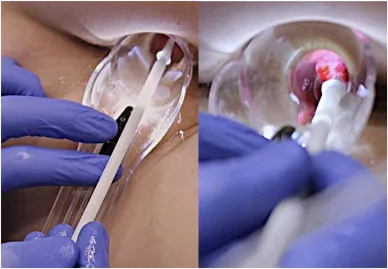
- Using an anoscope (a small tube that allows the doctor to view the hemorrhoid), a needle is inserted into the hemorrhoidal tissue, and a sclerosing solution is injected into the blood vessels of the hemorrhoid.
- Post-Procedure Care:
- After the injection, the hemorrhoid gradually shrinks over the following days. The procedure usually takes only about 10-15 minutes.
- Follow-Up:
- Patients typically return for a follow-up appointment in a few weeks to ensure the hemorrhoids have shrunk and to check for any complications.
Pros of Sclerotherapy
- Minimally Invasive:
- Sclerotherapy is a non-surgical procedure that does not involve incisions or stitches, making it less invasive than traditional hemorrhoidectomy.
- Quick and Convenient:
- The procedure is typically performed in an outpatient setting, with no hospital stay required. It takes only about 10-15 minutes and allows patients to resume normal activities almost immediately.
- Minimal Discomfort:
- Most patients experience only mild discomfort during and after the procedure. Local anesthesia is often not necessary.
- Effective for Small Hemorrhoids:
- Sclerotherapy is an excellent treatment option for Grade I and II hemorrhoids, particularly when conservative measures such as dietary changes and topical medications have failed.
- Low Risk of Complications:
- Complications are rare, and when they do occur, they are usually minor, such as temporary bleeding or mild pain. The procedure has a high success rate for reducing hemorrhoidal symptoms.
Cons of Sclerotherapy
- Not Suitable for Advanced Hemorrhoids:
- Sclerotherapy is generally not effective for Grade III or IV hemorrhoids, which are more advanced and may require surgical intervention.
- Multiple Treatments May Be Necessary:
- In some cases, multiple sessions of sclerotherapy may be required to fully shrink the hemorrhoid, especially if it is large or has been present for an extended period.
- Risk of Recurrence:
- While sclerotherapy can provide effective long-term relief, there is a chance of recurrence of hemorrhoids in the future, particularly if underlying causes, such as chronic constipation or straining, are not addressed.
- Post-Procedure Discomfort:
- Some patients may experience mild pain, swelling, or discomfort in the anal area after the procedure. These symptoms usually resolve within a few days.
- Temporary Side Effects:
- Slight bleeding, itching, or mucosal discharge may occur immediately after the procedure but generally resolve without medical intervention.
Postoperative Care and Recovery
After Sclerotherapy, patients can follow these guidelines for optimal recovery:
- Pain Management:
- Most patients experience minimal pain. Over-the-counter pain relievers like ibuprofen or acetaminophen can help relieve any discomfort.
- Dietary Adjustments:
- Maintaining a high-fiber diet is essential to avoid straining during bowel movements. Drinking plenty of fluids will also help prevent constipation.
- Avoid Heavy Lifting and Straining:
- Patients should avoid heavy lifting or strenuous activities for a few days to prevent putting undue pressure on the treated area.
- Monitor for Complications:
- While complications are rare, patients should monitor for any unusual symptoms such as excessive bleeding, severe pain, or signs of infection and consult their doctor if needed.
Conclusion
Sclerotherapy offers a safe, minimally invasive treatment option for patients with Grade I and II internal hemorrhoids. With its low risk, quick recovery, and high success rate, it is an excellent choice for patients who prefer a non-surgical solution for hemorrhoid management.
If you're suffering from hemorrhoids and looking for a non-invasive treatment option, consider Sclerotherapy at Sukhayu Hospital. Contact us today at 7420004242 to schedule a consultation and learn more about how we can help you find relief from hemorrhoidal symptoms.
Keywords