Recurrence of Fistula in Ano After Surgery: Causes, Challenges, and Surgical Solutions
Fistula in Ano is a common yet challenging condition, often requiring surgical intervention for effective treatment. Despite advancements in surgical techniques, recurrence remains a significant concern for both patients and surgeons. This article delves into the causes of recurrence after fistula surgery, the challenges in its management, and explores surgical strategies to minimize recurrence rates. At Sukhayu Hospital, we prioritize advanced techniques, patient-centered care, and a holistic approach to ensure better outcomes and reduce the chances of fistula recurrence.
Introduction
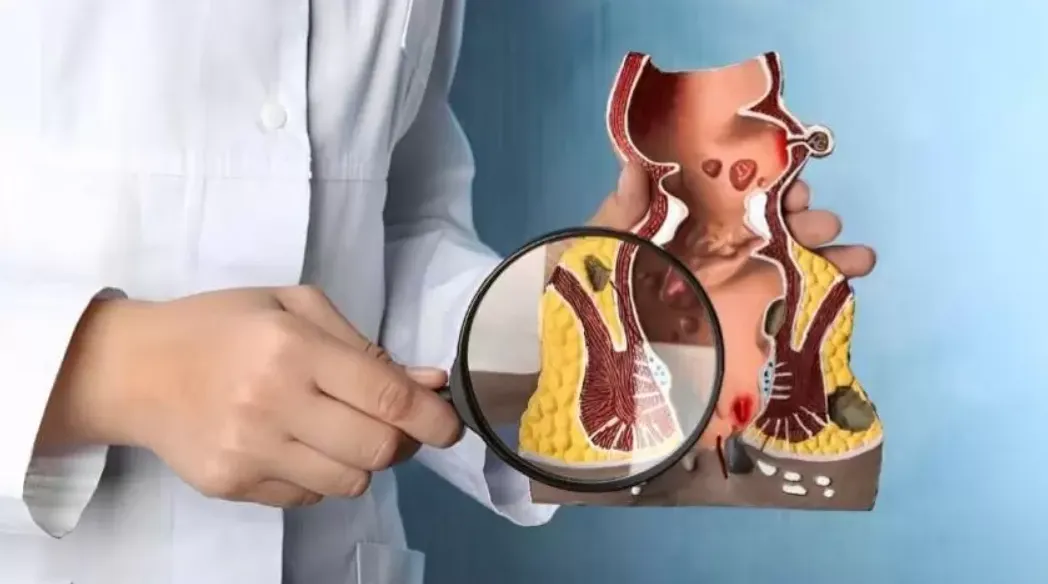
Fistula in Ano is a chronic condition where an abnormal tract forms between the anal canal and the perianal skin, leading to recurrent infection, abscess formation, and discomfort. It is often managed surgically to remove or repair the fistulous tract, but recurrence after surgery is a well-known complication, affecting approximately 7-25% of cases, depending on the complexity of the fistula and the surgical technique used.
Despite successful initial treatment, many patients experience fistula recurrence, leading to frustration and prolonged suffering. Understanding the reasons behind recurrence is crucial for both patients and surgeons to optimize treatment strategies and minimize future risks.
Causes of Fistula Recurrence
Several factors contribute to the recurrence of Fistula in Ano after surgery. These include:
Inadequate Drainage and Infection
One of the primary causes of recurrence is incomplete drainage of the fistulous tract or residual infection. If the infected tissue is not thoroughly cleaned during surgery, it can lead to reformation of the abscess and eventual recurrence of the fistula.Complexity of the Fistula
Higher rates of recurrence are seen in complex fistulas, such as high transsphincteric, extrasphincteric, or horseshoe fistulas, due to the deeper location of the tract and the involvement of the sphincter muscles. Surgical management in these cases is more difficult, and there is a higher risk of incomplete healing or reformation.Inadequate Surgical Technique
In some cases, technical issues during surgery, such as failure to identify all branches of the fistula or leaving behind remnants of the tract, can lead to recurrence. The surgeon’s experience and the type of procedure used also play a crucial role in the recurrence rate.Early Wound Healing
Premature closure of the wound or healing before the entire fistula tract has been eradicated can result in recurrence. This occurs more frequently when the fistula is not thoroughly excised or when there is still residual infection.Patient Factors
Individual patient factors, such as comorbidities like Crohn’s disease, diabetes, or compromised immune function, can hinder proper wound healing and contribute to the recurrence of fistulas. Additionally, poor post-operative care, including inadequate hygiene or failure to follow post-surgical instructions, may increase the likelihood of recurrence.Surgical Procedure Chosen
Recurrence rates can also vary depending on the type of surgical intervention chosen. While fistulotomy tends to have lower recurrence rates, procedures like seton placement or flap surgery may result in higher recurrence due to their complexity and healing challenges.
Challenges in Managing Recurrent Fistula in Ano
Managing recurrent fistula in ano presents unique challenges for both the surgeon and the patient:
Scarring and Tissue Damage
Recurrence after surgery often leads to increased scarring and fibrosis in the perianal region, which makes further surgical intervention more difficult. Scar tissue can obscure the fistulous tract, complicating the surgeon’s ability to locate and treat the recurrent fistula effectively.Sphincter Preservation
One of the major concerns in fistula surgery, especially in recurrent cases, is the preservation of sphincter function. The more invasive the surgery, the higher the risk of damaging the anal sphincters, which can result in fecal incontinence. Balancing effective fistula eradication while preserving sphincter integrity remains a key challenge.Patient Morale and Quality of Life
Recurrent fistula impacts the patient’s physical and emotional well-being. Recurrence can lead to prolonged discomfort, pain, and psychological distress, which affects the patient’s quality of life. Addressing these aspects with clear communication and patient-centered care is critical to successful outcomes.
Surgical Strategies to Minimize Recurrence
At Sukhayu Hospital, we emphasize a comprehensive approach to fistula management, focusing on advanced surgical techniques and individualized care plans to minimize recurrence. Some of the strategies employed include:
Thorough Preoperative Evaluation
A detailed preoperative assessment using tools like MRI or endorectal ultrasound helps in accurately identifying the complexity and extent of the fistula. This ensures that all branches of the fistula are mapped and treated during surgery, reducing the chance of recurrence.Use of Setons for Complex Fistulas
In cases of high or complex fistulas, staged procedures using a seton (a thread placed through the fistula tract to allow drainage and gradual healing) can help reduce tension on the fistula tract and promote better healing, thus minimizing recurrence.Advancement Flap Procedures
For more complex or recurrent fistulas, the use of advancement flaps (where healthy tissue is moved over the fistula opening) can improve healing outcomes and lower recurrence rates, especially in cases where preserving sphincter function is a priority.LIFT Procedure (Ligation of the Intersphincteric Fistula Tract)
This advanced surgical technique involves identifying and ligating the fistulous tract in the intersphincteric plane, allowing the fistula to heal without the need for extensive sphincter division. The LIFT procedure has shown promising results in reducing recurrence while preserving continence.Post-Operative Care and Monitoring
Close post-operative monitoring, including regular follow-up visits and ensuring proper wound care, helps identify early signs of recurrence and intervene before the condition worsens. Patients are guided on maintaining hygiene, managing infections, and ensuring optimal wound healing.
Conclusion
Recurrence of Fistula in Ano after surgery is a challenging but manageable complication. Understanding the causes of recurrence and employing advanced surgical strategies can significantly reduce the risk of recurrence and improve patient outcomes. At Sukhayu Hospital, we prioritize thorough preoperative assessments, advanced surgical techniques, and individualized post-operative care to minimize recurrence and promote long-term healing.
Patients experiencing recurrent fistulas are encouraged to consult with our expert surgeons for a personalized evaluation and treatment plan that focuses on effective resolution and improved quality of life.
For consultations and more information, please contact Sukhayu Hospital today and take the first step towards long-term relief from Fistula in Ano.
This article aims to provide patients and medical professionals with an overview of fistula recurrence after surgery, highlighting the expertise and advanced care provided at Sukhayu Hospital.