Open Reduction with Internal Fixation (ORIF) Surgery of hip joint
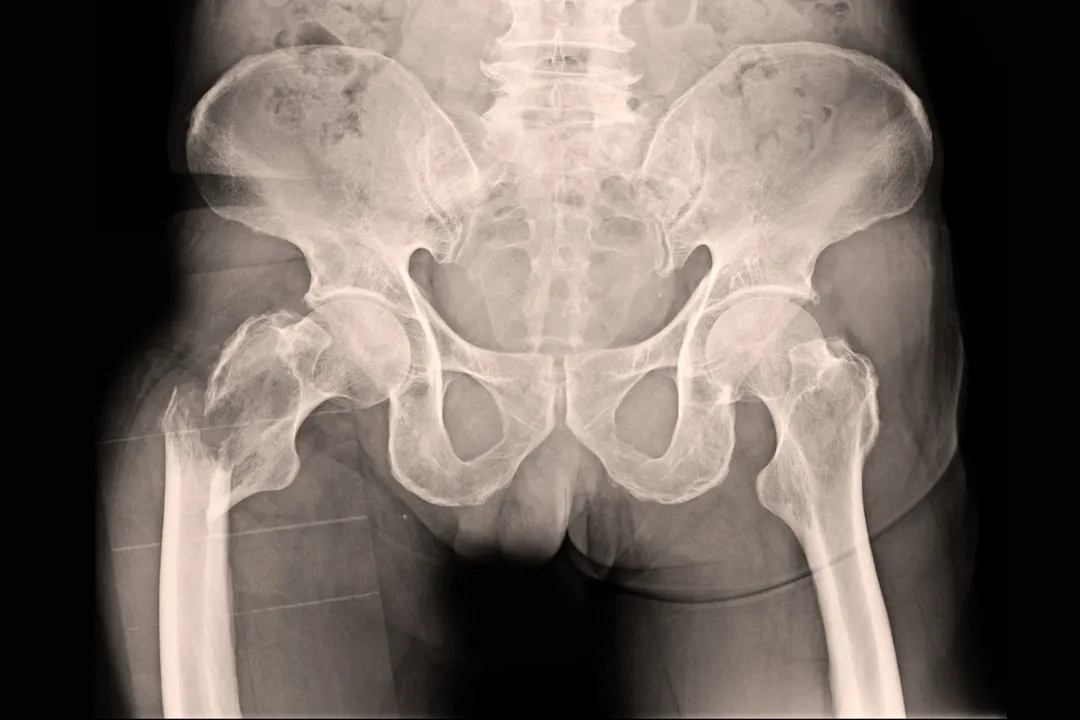
Open Reduction with Internal Fixation (ORIF) of the hip is a surgical procedure designed to treat complex or severe hip fractures. Here is a detailed breakdown of the procedure:
Procedure Details:
Preparation:
- Patient Evaluation: Before surgery, the patient undergoes a thorough evaluation, which may include imaging studies (X-rays, CT scans) to assess the extent and nature of the hip fracture.
- Anesthesia: The patient is placed under general anesthesia to ensure they are unconscious and pain-free during the procedure.
Open Reduction:
- Incision: A surgical incision is made over the hip area to access the fractured bone.
- Bone Realignment: The surgeon manually repositions the fractured bone into its correct anatomical alignment. This step is crucial for proper healing.
Internal Fixation:
- Implant Placement:Various internal fixation devices are used to stabilize the fractured bone. Common types of implants include:
- Screws: Used to hold bone fragments together.
- Plates and Screws: Plates may be applied to the surface of the bone, and screws secure them in place.
- Rods or Nails:Inserted into the medullary canal of the bone to provide internal support.
- Pins and Wires:Used for additional stability, especially in certain types of fractures.
Closure:
- Wound Closure:The incision is closed using sutures or staples.
Recovery:
Postoperative Care:
- Immobilization: Depending on the type of fracture and fixation used, the patient may be required to keep weight off the affected leg initially.
- Pain Management:Medications are prescribed to manage postoperative pain.
- Monitoring: Regular follow-up appointments and imaging studies are scheduled to monitor healing progress.
Rehabilitation:
- Physical Therapy: A structured rehabilitation program is initiated to restore strength, flexibility, and range of motion.
- Exercise Therapy:Specific exercises are prescribed to promote healing and prevent complications.
- Gradual Weight-Bearing:As healing progresses, the patient is gradually allowed to put more weight on the affected leg.
Long-Term Follow-up:
- Monitoring: Periodic follow-up appointments and imaging studies may be conducted to ensure the continued success of the procedure.
- Lifestyle Adjustments: Depending on the patient's age and health, lifestyle modifications may be recommended to prevent future fractures.
Benefits:
1. Pain Relief:Alleviates hip pain associated with fractures.
2. Proper Alignment: Facilitates the correct healing of the fractured bone.
3. Restored Functionality: Enables the restoration of normal hip function, including walking and performing daily activities.
4. High Success Rate: ORIF generally has a high success rate in achieving proper bone healing.
It's important to note that individual experiences may vary, and the specific details of the surgery and recovery plan depend on the patient's unique condition and the surgeon's approach.
Keywords