Low Lying Intersphincteric Fistulectomy: An Overview of Surgical Management for Complex Anal Fistulas
Anal fistulas are one of the most common and challenging conditions encountered in colorectal surgery. They typically develop after an infection in an anal gland, leading to the formation of an abnormal connection between the anal canal and the perianal skin. The management of these fistulas can be complex, especially in cases where the fistula is low-lying and intersphincteric. This article provides an in-depth review of low-lying intersphincteric fistulectomy, a surgical technique used to treat this type of anal fistula.
Understanding Low-Lying Intersphincteric Fistulas
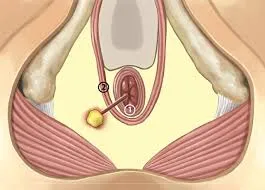
An intersphincteric fistula occurs between the internal and external anal sphincters. These types of fistulas are located in the lower part of the anal canal, where the internal and external sphincter muscles are anatomically close. The low-lying classification refers to fistulas that are situated within the lower third of the anal canal, closer to the perianal skin.
Low-lying intersphincteric fistulas can be challenging to treat because the fistula tract passes through sensitive sphincter muscle tissues. Any damage to the anal sphincters can lead to complications such as incontinence, which is a significant concern for both the patient and the surgeon.
Surgical Considerations and Indications
The goal of any fistula surgery is to eradicate the fistula while minimizing damage to the anal sphincters. This becomes particularly crucial in low-lying intersphincteric fistulas, as they are often associated with a high risk of incontinence if not treated with precision.
Intersphincteric Fistulectomy is considered a safe and effective surgical option for low-lying anal fistulas. The procedure involves the excision of the entire fistula tract, including the internal and external openings, and any surrounding infected tissue. This is done while carefully preserving the integrity of the anal sphincter muscles to prevent incontinence.
Steps Involved in Low Lying Intersphincteric Fistulectomy
- Preoperative Assessment: Before the surgery, it is essential to evaluate the extent of the fistula tract using techniques like an anal fistulogram, MRI, or endoanal ultrasound. These help determine the precise location of the fistula and its relationship with the anal sphincters.
- Anesthesia: Fistulectomy for low-lying intersphincteric fistulas is usually performed under general or regional anesthesia, depending on the patient's condition and the surgeon's preference.
- Incision and Dissection: The surgeon makes an incision over the external opening of the fistula. The intersphincteric plane is identified, and the fistula tract is carefully dissected along this plane. The surgeon aims to remove the entire tract while preserving as much sphincter function as possible.
- Fistula Excision: The entire tract, including both the internal and external openings, is excised. In cases where the tract is long, or the internal opening is near the anal mucosa, the surgeon may need to excise some mucosal tissue to ensure complete removal.
- Wound Management: After excision, the wound is cleaned and typically left open for healing by secondary intention. In some cases, a seton may be placed temporarily if there is concern about the risk of incontinence.
- Postoperative Care: After the surgery, patients are closely monitored for signs of infection or complications, such as bleeding or delayed healing. A high-fibre diet and stool softeners are often recommended to avoid constipation and promote healing.
Advantages of Intersphincteric Fistulectomy
- High Success Rate: Intersphincteric fistulectomy offers a high success rate for healing, particularly in low-lying fistulas. The procedure ensures that the fistula is completely excised, minimizing the risk of recurrence.
- Minimized Risk of Incontinence: When performed by an experienced surgeon, this procedure can effectively remove the fistula without causing significant damage to the anal sphincter, preserving continence in the majority of patients.
- Improved Quality of Life: Patients who undergo successful fistulectomy experience significant relief from the symptoms of an anal fistula, such as pain, drainage, and recurrent infections. This leads to improved overall quality of life.
Potential Complications and Challenges
As with any surgical procedure, there are potential risks and complications associated with low-lying intersphincteric fistulectomy:
- Incontinence: Although the goal is to preserve sphincter function, there is always a risk of incontinence, especially in complex fistulas or in patients with poor sphincter tone.
- Recurrence: Despite complete excision, anal fistulas tend to recur in some cases, particularly in complex or long-standing fistulas.
- Wound Healing Problems: Some patients may experience delayed healing or wound infections, which can extend the recovery period.
Conclusion
Low-lying intersphincteric fistulectomy is a well-established surgical technique for treating anal fistulas located within the intersphincteric space. While it presents challenges, particularly in preserving sphincter function, it offers excellent outcomes for most patients. With careful preoperative planning, meticulous surgical technique, and appropriate postoperative care, this procedure provides a reliable solution for managing low-lying anal fistulas, improving the quality of life for patients while minimizing the risks of incontinence and recurrence.
Keywords