Laser Treatment for Anal Fissures: A Modern Approach to Healing
Laser treatment for anal fissures is an advanced, minimally invasive option for individuals who have not responded well to conventional therapies. It offers faster healing, reduced pain, and minimal complications, making it an attractive alternative to traditional surgical methods. This article will explore how laser treatment works for anal fissures, its advantages, and what patients can expect during and after the procedure.
1. What Are Anal Fissures?
Anal fissures are small tears in the lining of the anus, often caused by trauma from hard or large stools, chronic constipation, or even diarrhea. They can lead to intense pain, bleeding, and muscle spasms, making bowel movements extremely uncomfortable. While most fissures heal with conservative treatments like dietary changes, stool softeners, and topical ointments, some become chronic and require more advanced interventions.
2. How Does Laser Treatment Work?
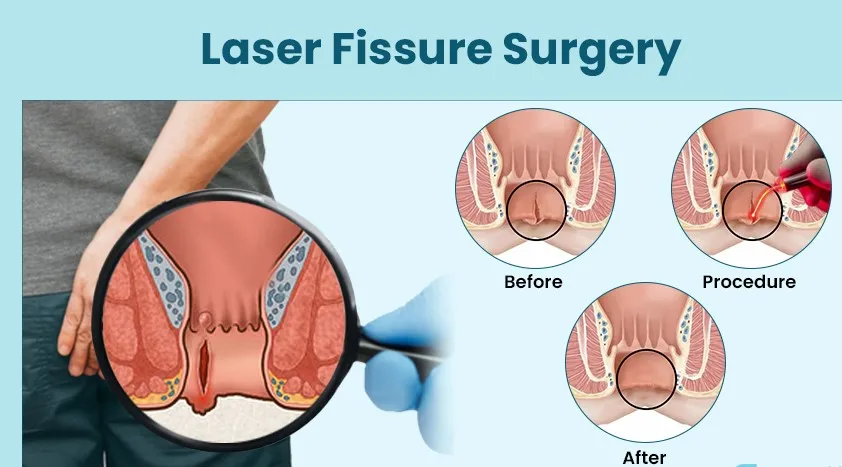
Laser treatment for anal fissures uses focused light energy to remove damaged tissue and promote healing precisely. The laser helps relax the internal anal sphincter, reduces pain, and increases blood flow to the affected area, facilitating faster recovery.
There are two main ways that lasers can be used to treat anal fissures:
Laser Sphincterotomy: The laser is used to make a small incision in the internal anal sphincter muscle, similar to a traditional lateral internal sphincterotomy. This reduces muscle spasms and tension, allowing the fissure to heal.
Laser Ablation: The laser energy is used to directly remove damaged tissue from the fissure itself, stimulating healing and reducing pain without cutting into the sphincter muscle.
3. Advantages of Laser Treatment
Laser treatment offers several benefits over traditional surgical options, making it a preferred choice for some patients:
Minimally Invasive: Unlike traditional sphincterotomy, which involves cutting the muscle, laser therapy is less invasive and causes minimal tissue damage. This results in faster recovery times and fewer complications.
Reduced Pain: The precision of the laser allows for targeted treatment with minimal trauma to surrounding tissues, reducing post-operative pain and discomfort.
Faster Healing: Laser treatment promotes better blood flow to the fissure site, which speeds up the healing process and leads to quicker relief from symptoms.
Lower Risk of Infection: Since laser treatment is less invasive, the risk of infection is lower compared to traditional surgical methods.
Minimal Scarring: Lasers leave behind very little scarring, which can be an advantage in terms of both cosmetic appearance and long-term comfort.
Outpatient Procedure: Laser treatment is typically performed on an outpatient basis, meaning patients can go home the same day without the need for an extended hospital stay.
4. Who is a Candidate for Laser Treatment?
Laser treatment is generally recommended for patients with chronic anal fissures who have not responded to conservative treatments like dietary changes, topical medications, or Botox injections. It is also a good option for individuals who are not candidates for or who wish to avoid more invasive surgery.
5. The Procedure: What to Expect
Laser treatment for anal fissures is usually performed under local anesthesia, although general anesthesia may be used in some cases. The procedure takes about 30 to 60 minutes and follows these steps:
Preparation: The patient is positioned in a way that allows easy access to the anal area. Local anaesthesia is administered to numb the area.
Laser Application: The surgeon uses a specialized laser device to either make a small incision in the internal anal sphincter (in the case of laser sphincterotomy) or to ablate the fissure tissue directly.
Closing the Procedure: Once the laser has done its job, the area is allowed to heal naturally. No stitches are required, as the laser promotes clotting and tissue sealing on its own.
Recovery: After the procedure, patients are monitored for a short time and can usually return home the same day.
6. Post-Procedure Care and Recovery
After laser treatment, patients can expect a relatively quick recovery with minimal pain compared to traditional surgery. However, some general guidelines for post-procedure care include:
Pain Management: Mild discomfort may be managed with over-the-counter pain relievers, though pain is typically much less severe than with other surgical methods.
Bowel Movements: It is essential to keep stools soft and avoid straining, so patients are advised to maintain a high-fibre diet, drink plenty of water, and take stool softeners if necessary.
Hygiene: Keeping the area clean is critical to prevent infection. Patients may be advised to take sitz baths (soaking the anal area in warm water) several times a day to aid in healing and soothe discomfort.
Activity: Most patients can return to their regular activities within a few days, although heavy lifting and strenuous activity should be avoided for a short period.
7. Potential Risks and Complications
Although laser treatment is generally safe and has a low complication rate, it is not without risks. Some potential complications include:
Recurrence: Like any treatment for anal fissures, there is a chance that the fissure may recur if underlying issues like constipation are not addressed.
Bleeding: Some minor bleeding may occur immediately after the procedure, but this usually resolves on its own.
Infection: While rare, infection can occur, especially if proper hygiene is not maintained after the procedure.
Temporary Incontinence: In rare cases, patients may experience temporary incontinence due to the relaxation of the internal anal sphincter, though this is much less likely than with traditional surgery.
8. Conclusion
Laser treatment for anal fissures is a safe, effective, and minimally invasive option for individuals who have not found relief through conservative methods. It offers several advantages, including faster healing, reduced pain, and fewer complications, making it an increasingly popular choice. By targeting the root causes of the fissure, such as muscle spasms and tissue damage, laser therapy promotes quicker recovery and improved quality of life for patients suffering from chronic anal fissures.