
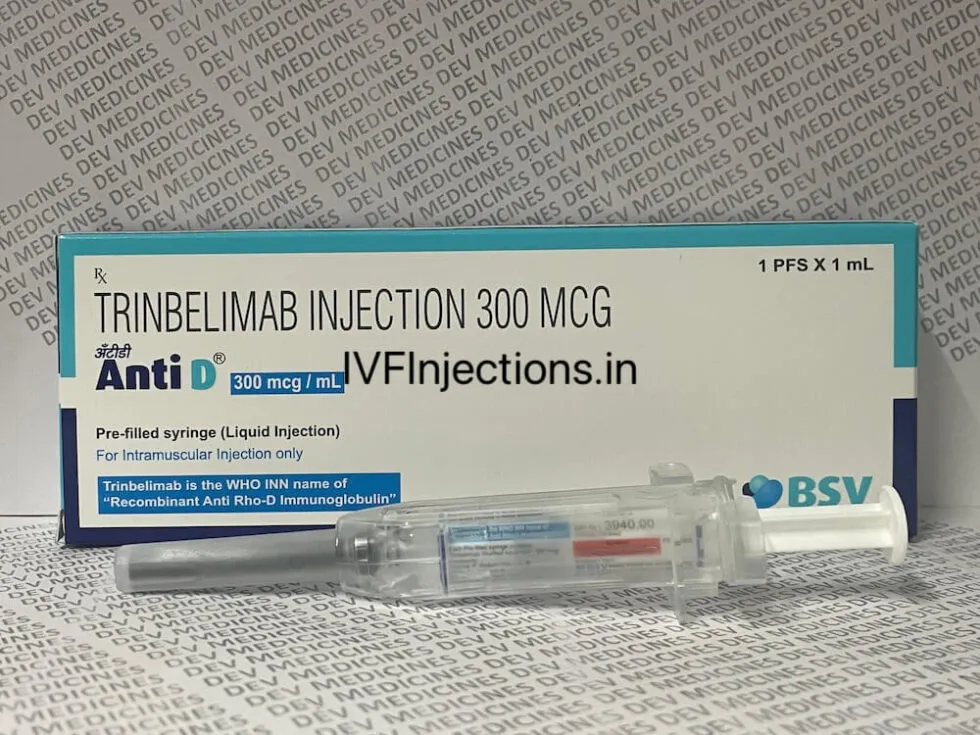
Injection Anti-D During Pregnancy
Anti-D immunoglobulin, commonly known as Anti-D or Rh immunoglobulin, is a medication given to prevent Rh(D) isoimmunization, a condition where a pregnant woman's immune system produces antibodies against Rh-positive red blood cells, which can be harmful to the fetus if the mother is Rh-negative and the fetus is Rh-positive. Here's detailed information about Anti-D injections, including dosing, effects, and side-effects during pregnancy:
1. Purpose Anti-D injections are primarily given to Rh-negative pregnant women to prevent the development of Rh antibodies in their bloodstream. This is important because if a Rh-negative mother's blood mixes with her Rh-positive baby's blood (which can happen during childbirth or other pregnancy-related events), her immune system may produce antibodies against the Rh-positive blood cells, potentially causing harm to the fetus in future pregnancies.
2. Dosing: The dosage of Anti-D injections can vary depending on the specific circumstances of the pregnancy and the recommendations of healthcare providers. However, it is typically administered at certain points during pregnancy and after childbirth. Common dosing regimens include:
- Routine antenatal prophylaxis: Usually given around 28 weeks of pregnancy.
- Postpartum prophylaxis: Administered within 72 hours after childbirth if the baby is Rh-positive.
3. Effects The main effect of Anti-D injections is to prevent the mother's immune system from producing antibodies against Rh-positive blood cells. By administering Anti-D, any Rh-positive fetal red blood cells that enter the mother's bloodstream are destroyed before her immune system can recognize them and mount an immune response.
4. Side-Effects: While Anti-D injections are generally considered safe, like any medication, they can potentially cause side-effects. Common side-effects may include:
- Pain, swelling, or redness at the injection site.
- Mild fever or chills.
- Nausea or vomiting.
- Headache.
- Allergic reactions, though these are rare.
5. Considerations During Pregnancy
- The benefits of Anti-D injections in preventing Rh isoimmunization generally outweigh the potential risks.
- Anti-D injections are considered safe during pregnancy and are routinely recommended for Rh-negative women.
- It's essential for healthcare providers to confirm the mother's blood type (Rh status) and the baby's Rh status to determine the need for Anti-D injections and the appropriate timing of administration.
6. Monitoring: After receiving Anti-D injections, healthcare providers may monitor the mother's antibody levels during pregnancy and after childbirth to ensure that Rh isoimmunization does not occur.
7. Consultation: Pregnant women should discuss any concerns or questions about Anti-D injections with their healthcare providers. They can provide personalized information and address specific concerns based on the individual's medical history and pregnancy circumstances.
Overall, Anti-D injections play a crucial role in preventing Rh isoimmunization during pregnancy and are generally considered safe and effective when administered according to healthcare provider recommendations.
Keywords