How Diabetes Affects Wound Healing:
Normal Healing Process:
When you get a cut or wound, your body's natural response is to send white blood cells to fight off bacteria and help the wound close. Blood vessels deliver nutrients to the injured area, aiding the healing process.
Diabetes and Healing Issues:
For people with diabetes, this process can be disrupted. Diabetes affects how the body handles sugar (glucose). When blood sugar levels are consistently high, it hampers the function of white blood cells. These cells are crucial for fighting infection and closing wounds.
Blood Circulation Impact:
Diabetes can also slow down blood circulation. This means nutrients reach wounds more slowly, making healing slow or even preventing it altogether.
Nerve Damage (Neuropathy):
Uncontrolled diabetes can damage nerves, leading to reduced sensation. So, if you hurt your foot and don't feel it, you might not treat the wound, increasing the risk of infection.
Why Does Diabetes Interfere with Wound Healing?
1. Blood Sugar Levels: High blood sugar makes it difficult for the body to fight bacteria and close wounds.
2. Circulation Issues:Slow blood flow hinders nutrient delivery to wounds, causing slow healing or non-healing.
3. Nerve Damage: Diabetes can numb sensations, making people unaware of injuries and at a higher risk of infection.
Complications:
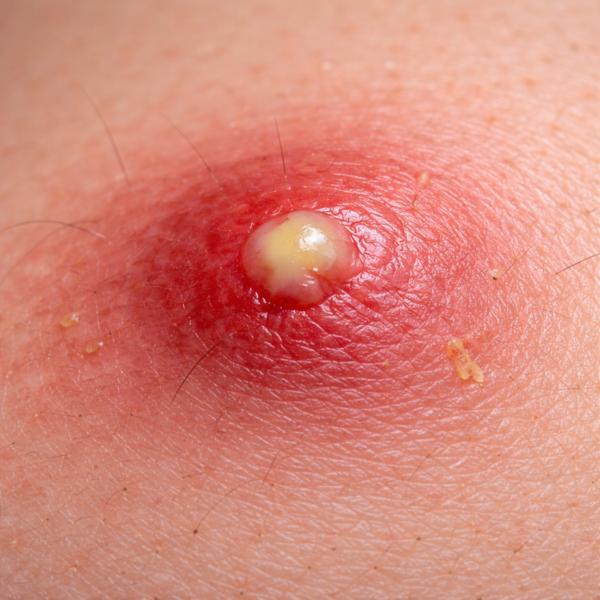
1. Infections: Wounds in diabetes have a higher risk of bacterial infections.
2. Osteomyelitis: If an infection spreads to muscles and bones, it's called osteomyelitis.
3. Gangrene: Untreated infections can lead to gangrene, a major cause of amputations in diabetes.
4. Sepsis: Infections can lead to sepsis, a life-threatening condition when bacteria enter the bloodstream.
Prevention and Treatment:
Foot Care:
Daily foot care is crucial. This includes washing, drying, moisturizing, avoiding walking barefoot, careful toenail trimming, wearing comfortable shoes, daily inspections, and regular check-ups with a doctor.
Wound Treatment:
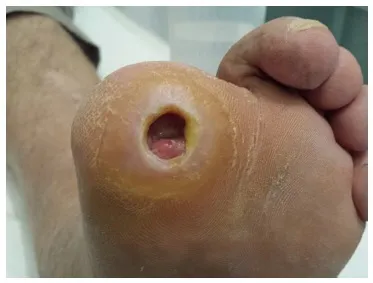
Monitor wounds closely. If a wound doesn't heal, spreads, oozes, or becomes very painful, seek treatment. Clean the wound daily, cover it, and avoid walking barefoot to prevent infection.
Glucose Control:
Managing blood sugar levels is vital. Lifestyle changes like a healthy diet, regular exercise, and maintaining a moderate weight help control diabetes. Medications may also be necessary.
Outlook:
For people with diabetes, a non-healing wound can be serious. Quick treatment, proper wound care, and effective glucose management are crucial. If needed, amputation may be considered. Seek medical help if wounds don't heal or seem infected.
Conclusion:
Taking steps to prevent wounds and managing diabetes effectively are essential for a positive outlook. Regular check-ups, a healthy lifestyle, and prompt action for any wounds are key to reducing the risk of complications.
Keywords