Dengue Fever: Understanding the Disease, Its Impact, and Prevention
Introduction
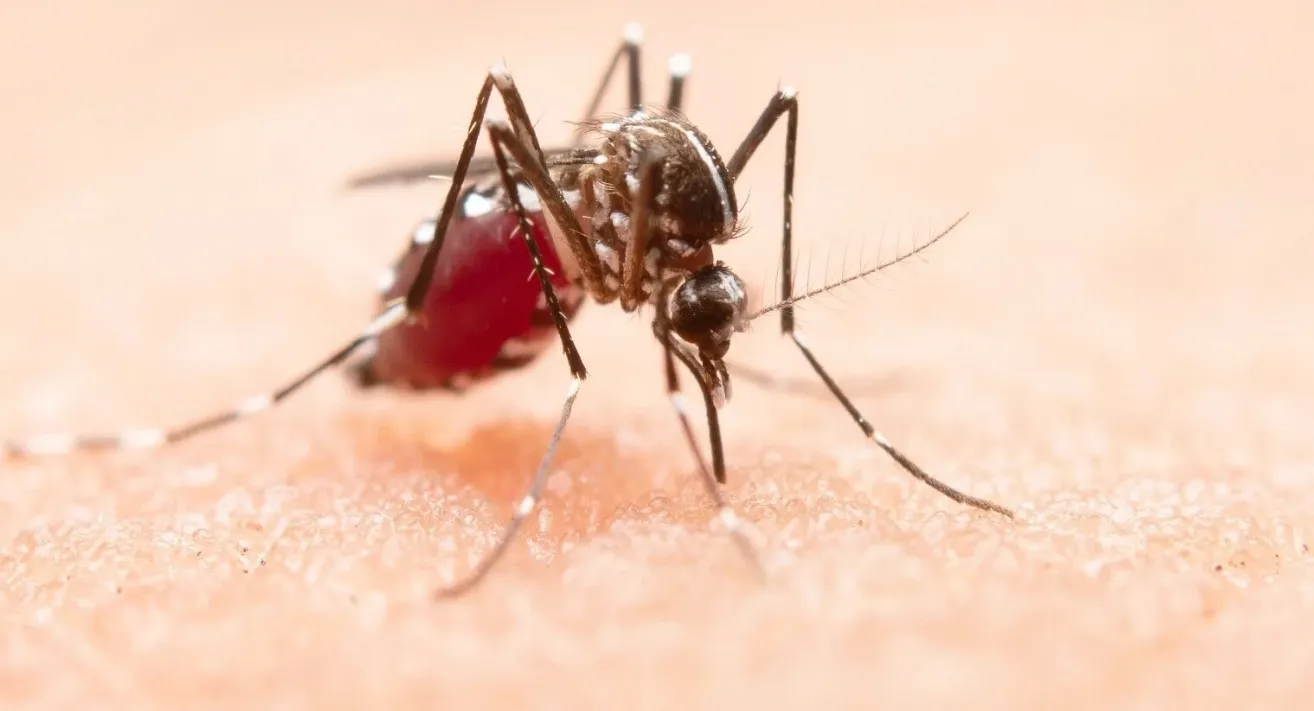
Dengue fever is a mosquito-borne viral infection that has become a major public health concern in tropical and subtropical regions around the world. It is caused by the dengue virus, which is transmitted primarily by Aedes mosquitoes, particularly Aedes aegypti and Aedes albopictus. The disease can range from mild flu-like symptoms to severe complications, including dengue hemorrhagic fever (DHF) and dengue shock syndrome (DSS), both of which can be fatal if not properly managed.
Symptoms and Diagnosis
Mild Dengue Fever
The symptoms of mild dengue fever typically appear 4-10 days after being bitten by an infected mosquito and include:
- High fever
- Severe headache
- Pain behind the eyes
- Joint and muscle pain
- Nausea and vomiting
- Rash
- Mild bleeding (e.g., nose or gum bleed, easy bruising)
Severe Dengue (Dengue Hemorrhagic Fever and Dengue Shock Syndrome)
Severe dengue is a potentially lethal complication due to plasma leaking, fluid accumulation, respiratory distress, severe bleeding, or organ impairment. Warning signs of severe dengue, which require immediate medical attention, include:
- Severe abdominal pain
- Persistent vomiting
- Rapid breathing
- Bleeding gums
- Fatigue
- Restlessness
- Blood in vomit or stool
Diagnosis of dengue fever is typically based on symptoms and confirmed by laboratory tests such as:
- Serological tests (IgM and IgG antibodies)
- Reverse transcriptase-polymerase chain reaction (RT-PCR)
Transmission and Epidemiology
Dengue fever is endemic in more than 100 countries in Africa, the Americas, the Eastern Mediterranean, Southeast Asia, and the Western Pacific. The World Health Organization (WHO) estimates that there are 50-100 million dengue infections globally each year. Urbanization, increased travel, and climate change contribute to the spread of the disease.
Treatment
There is no specific antiviral treatment for dengue fever. Management of the disease focuses on supportive care to relieve symptoms and prevent complications. Key treatment strategies include:
- Rest
- Hydration (oral or intravenous fluids)
- Pain relief (acetaminophen is preferred over non-steroidal anti-inflammatory drugs like ibuprofen or aspirin, which can increase the risk of bleeding)
In severe cases, hospitalization may be required to manage complications such as dehydration, bleeding, and organ dysfunction. Close monitoring of the patient’s vital signs and blood parameters is essential.
Prevention and Control
Preventing dengue fever involves controlling the mosquito population and avoiding mosquito bites. Effective prevention strategies include:
- Eliminating mosquito breeding sites: Regularly emptying and cleaning containers that collect water, covering water storage containers, and proper waste management.
- Using mosquito repellents: Applying repellents on exposed skin and clothing, and using insecticide-treated bed nets and screens on windows and doors.
- Wearing protective clothing: Wearing long-sleeved shirts, long pants, socks, and shoes, especially during dawn and dusk when mosquitoes are most active.
- Community engagement: Educating communities about the importance of mosquito control and encouraging participation in local dengue prevention efforts.
Vaccination
In recent years, the development of the dengue vaccine Dengvaxia (CYD-TDV) has provided a new tool for dengue prevention. The vaccine is approved for use in several countries and is recommended for individuals aged 9-45 years who have had at least one previous dengue infection. However, the vaccine is not recommended for individuals who have not been previously infected with the dengue virus, as it may increase the risk of severe dengue upon subsequent infection.
Conclusion
Dengue fever remains a significant global health challenge, particularly in tropical and subtropical regions. Understanding the symptoms, transmission, and management of the disease is crucial for reducing its impact. Preventative measures, including mosquito control and vaccination, are essential components of a comprehensive strategy to combat dengue fever. Continued research, public health efforts, and community engagement are vital in the fight against this pervasive disease.
Keywords