Corn, Callus or Plantar Wart? Know the Difference and Choose the Right Treatment
By Dr. Sachin Jadhav | Sukhayu Hospital, Nashik
Painful, thickened skin on the sole of your foot can make walking uncomfortable. Many people mistake a corn, callus (callosity), or plantar wart for the same condition. Although they may look similar, their causes and treatments are different.
Understanding these differences is essential for effective treatment and preventing recurrence.
1. What Is a Corn?
A corn is a small, localized area of thickened skin that develops due to repeated pressure or friction, commonly from tight footwear or abnormal pressure while walking.
Common symptoms:
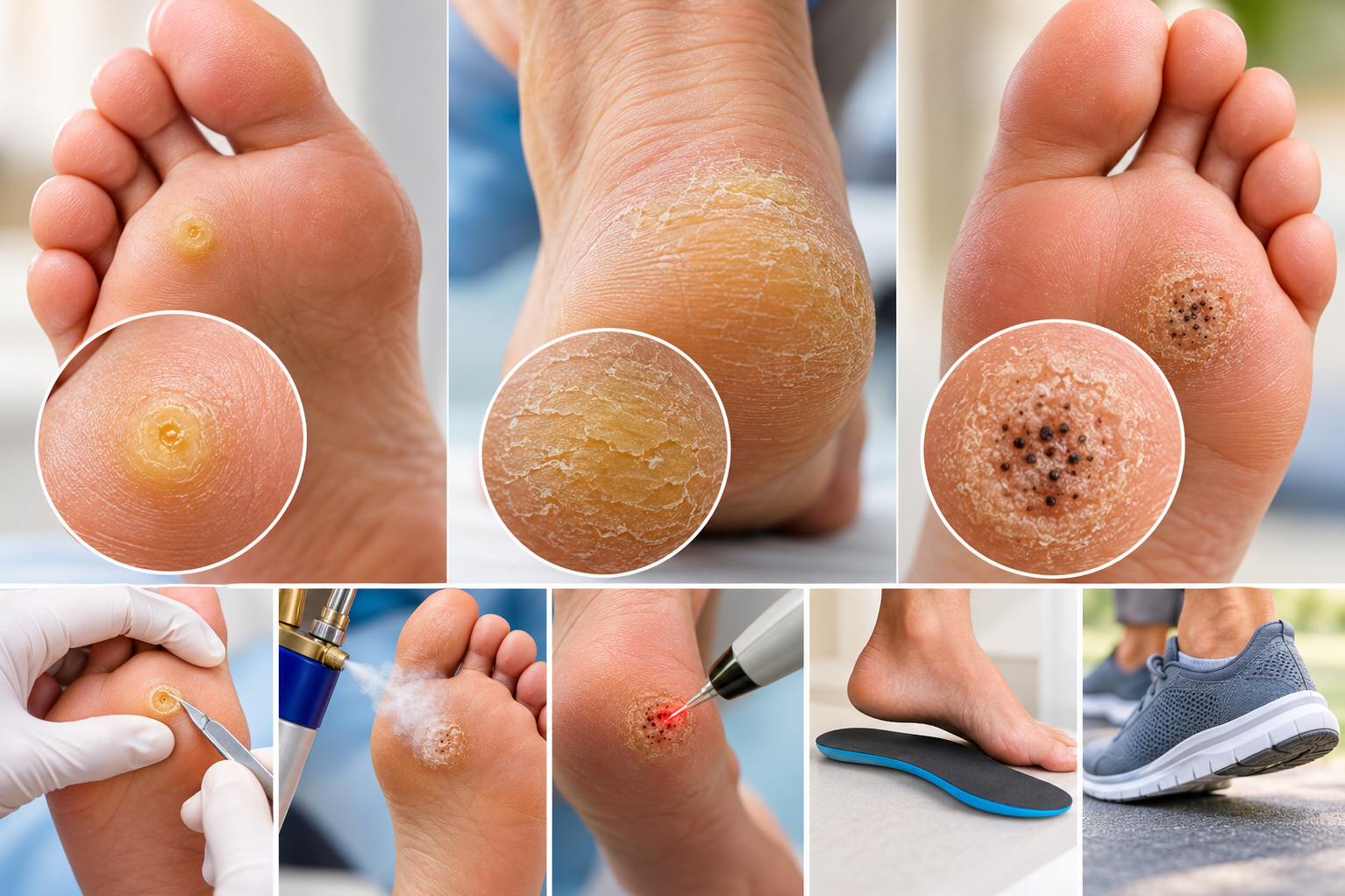
- Small, hard, circular lesion with a central core
- Pain when direct pressure is applied
- Commonly found on toes, soles, and pressure points
- Usually yellowish with thickened skin
2. What Is a Callus (Callosity)?
A callus is a broader area of thickened skin caused by repeated pressure or friction.
Unlike a corn, a callus usually covers a larger area and may not be painful unless it becomes excessively thick or develops cracks.
Calluses commonly occur over the heels and balls of the feet.
3. What Is a Plantar Wart?
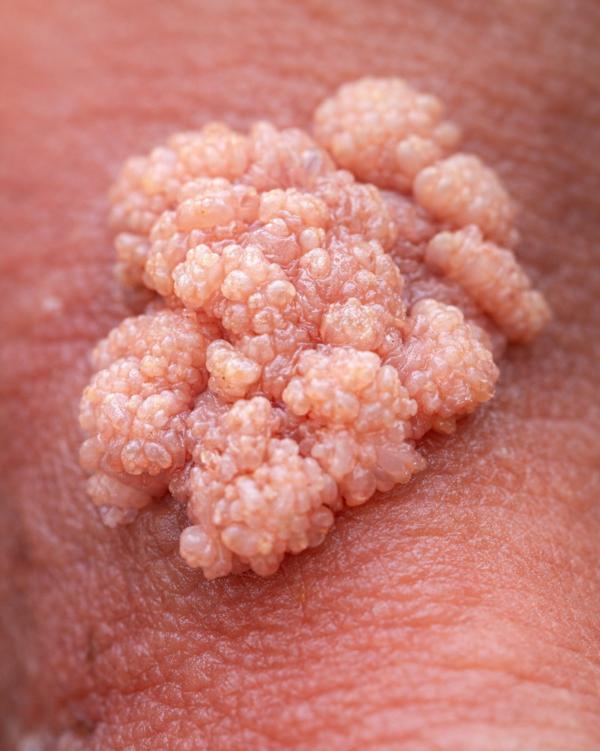
A plantar wart (Verruca Plantaris) is a viral skin infection caused by the Human Papillomavirus (HPV). It commonly develops on the soles of the feet and can spread through direct contact or contaminated surfaces.
Common symptoms:
- Rough, grainy skin growth
- Tiny black dots representing thrombosed capillaries
- Pain while walking or squeezing the lesion from the sides
- Interruption of normal skin lines
- Single or multiple lesions, sometimes forming clusters
Unlike corns and calluses, plantar warts are infectious.
4. Corn vs Callus vs Plantar Wart: Key Differences
FeatureCornCallusPlantar WartCausePressure/frictionRepeated pressureHPV infectionAppearanceSmall, hard coreBroad, thickened skinRough, irregular growthPainOften with direct pressureUsually mild or absentMay hurt with walking or side pressureBlack dotsAbsentAbsentSometimes presentContagiousNoNoYesSkin linesUsually preservedUsually preservedOften interrupted
These signs help differentiate lesions, but clinical examination is important for confirmation.
5. Treatment Options at Sukhayu Hospital
Treatment depends on the type, size, depth, location, and recurrence of the lesion.
Treatment for Corns and Calluses
- Footwear modification: Comfortable shoes to reduce pressure and friction.
- Protective pads and customized insoles: To redistribute pressure.
- Keratolytic treatment: Suitable salicylic acid or urea-based preparations to soften thickened skin.
- Professional debridement: Careful removal of thickened skin by a trained healthcare professional.
- Surgical treatment: Considered selectively for persistent painful lesions associated with underlying structural problems.
Treatment for Plantar Warts
- Topical medications: Salicylic acid-based preparations under appropriate guidance.
- Cryotherapy: Freezing the wart using liquid nitrogen.
- Chemical cauterization: Application of selected medical agents.
- Electrocautery: Destruction of wart tissue in suitable cases.
- Laser treatment: An option for selected persistent or recurrent warts.
- Surgical excision or curettage: Considered for carefully selected resistant lesions.
- Immunotherapy: May be considered for recurrent or difficult-to-treat warts.
Not every patient requires surgery. Treatment is individualized, and some plantar warts resolve spontaneously. Procedures can cause discomfort, scarring, or recurrence, particularly on weight-bearing areas.
6. Can Corns and Warts Come Back?
Yes. Corns and calluses may recur if the underlying pressure or friction continues.
Plantar warts may recur because HPV infection can persist in surrounding skin.
Correct diagnosis, appropriate treatment, footwear modification, and follow-up help reduce recurrence.
7. Prevention and Foot Care
- Wear comfortable, properly fitting footwear.
- Keep feet clean and dry.
- Avoid walking barefoot in public showers and swimming pool areas.
- Never cut corns or warts yourself using blades.
- Avoid picking or scratching warts
- Seek medical attention for painful, bleeding, spreading, or recurrent lesions.
Important: Patients with diabetes, poor circulation, or reduced foot sensation should avoid self-treatment with corn caps, salicylic acid, or sharp instruments because of the risk of ulcers and infection.
8. When Should You Consult a Surgeon?
Consult a specialist if you experience persistent foot pain, difficulty walking, repeated recurrence, bleeding, infection, or uncertainty about the diagnosis.
Early evaluation can prevent unnecessary discomfort and inappropriate treatment.
Consult Dr. Sachin Jadhav at Sukhayu Hospital
At Sukhayu Hospital, Nashik, we provide clinical evaluation and individualized medical and procedural management for painful corns, callosities, plantar warts, and other minor surgical conditions.
Dr. Sachin Jadhav
MS (Ayurveda – Shalyatantra)
Sukhayu Hospital
Canada Corner, Nashik, Maharashtra
For Appointments: 7420004242
Website: www.sukhayuhospital.in
Disclaimer: This article is intended for general health education. Treatment should be selected after examination by a qualified healthcare professional.
Keywords