Nashik
08042784087
+919225123839

Uterine Fibroids: The Basics - What Are They? Uter...

update image

Uterine Fibroids: The Basics


- What Are They? Uterine fibroids are growths made of muscle and tissue that can form in or on the wall of the uterus. They are common, non-cancerous tumors that mainly affect women of reproductive age.


- Where Do They Grow? Fibroids can grow as single nodules or in clusters, ranging from tiny seeds to large watermelon-like sizes. They can develop within the uterus wall, inside the uterus cavity, or on the outer surface.


- Types of Fibroids:

- Intramural Fibroids: In the uterine wall (most common).

  - Submucosal Fibroids: Under the inner lining of the uterus.

  - Subserosal Fibroids: Under the outer surface of the uterus.

  - Pedunculated Fibroids: Attached with a stalk, less common.


- How Common Are They? Fibroids are very common, affecting 40-80% of people with a uterus, usually between ages 30-50. They are less common in those who haven't had their first period or have entered menopause.


Symptoms and Causes


- Symptoms:

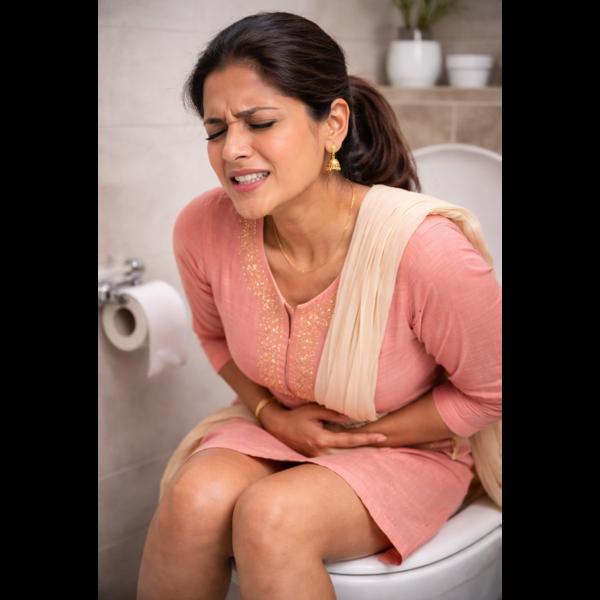
  - Excessive or painful menstrual bleeding.

  - Bleeding between periods.

  - Lower belly fullness or bloating.

  - Frequent urination.

  - Pain during sex, low back pain, constipation.

  - Vaginal discharge, abdominal enlargement.


- What Causes Fibroids?The exact cause is unknown, but hormones like estrogen and progesterone play a role. They often grow during high hormone levels (e.g., pregnancy) and shrink during low levels (e.g., menopause transition).


- Risk Factors:

  - Obesity and higher BMI.

  - Family history of fibroids.

  - Not having children.

  - Early menstruation, late menopause.


- Complications:

  - Pain, swelling, excessive bleeding.

  - Anemia (low red blood cells).

  - Infertility (rare).


Diagnosis and Tests


- How Are They Diagnosed?

  - Often discovered during a pelvic exam.

  - Tests include ultrasonography, MRI, CT scan, hysteroscopy, HSG, sonohysterography, and laparoscopy.


Management and Treatment


- Treatment Options:

  - Medications (pain relievers, iron supplements, birth control, GnRH agonists, oral therapies).

  - Fibroid Surgery (myomectomy, hysterectomy, uterine fibroid embolization, radiofrequency ablation).


- Risks:

  - Medication side effects.

  - Surgical risks (infection, bleeding).

  - Future pregnancy considerations.


- When to Remove? Removal depends on symptoms, not just size. Your doctor will decide based on your situation.


Prevention and Outlook


- Prevention: Generally, you can't prevent fibroids. Maintain a healthy weight and get regular check-ups.

- Outlook:

  - Yes, you can get pregnant with fibroids.

  - Fibroids can change in size over time.

  - Fibroids can shrink after menopause.


Living With Fibroids


- **Contact Your doctor  If:

  - You have symptoms like heavy bleeding, pelvic pain, or pressure.

  - Discuss symptoms promptly, as they can overlap with other conditions.


Additional Questions


- Are Fibroids Cancerous?

  - Very rare for fibroids to turn cancerous (1 in 350). Immediate evaluation for rapid growth or growth after menopause.

Conclusion

Uterine fibroids are common, non-cancerous growths affecting the uterus. They can cause various symptoms, and treatment options depend on factors like size, location, and symptoms. Regular check-ups and discussions with healthcare providers are crucial for managing fibroids effectively.

For more detail information contact to our specialist doctors regarding any concern OR contact 742000242

 2023-11-05T08:56:28

Related Posts

update image

Struggling to Gain a Healthy Weight? Sukhayu Hospi...

2025-06-26T10:32:07 , update date

 2025-06-26T10:32:07
update image

Advanced Arthroscopic ACL Repair Surgery by Dr. Ku...

2025-06-25T12:03:42 , update date

 2025-06-25T12:03:42
update image

TALLOGEN EFFLUVIUM (HAIR FALL): UNDERSTANDING & TR...

2025-06-25T11:49:46 , update date

 2025-06-25T11:49:46
update image

Pilonidal Sinus Surgery with Z-Plasty: Advanced Ca...

2025-06-25T11:40:29 , update date

 2025-06-25T11:40:29

footerhc