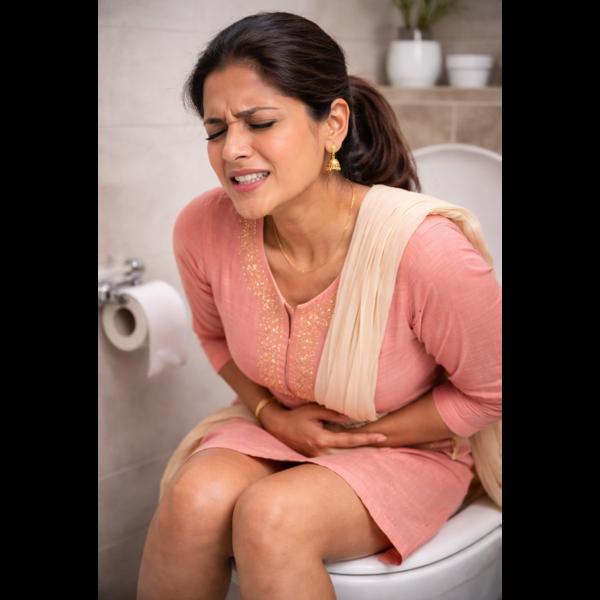

"Prioritizing Maternal Mental Health: Navigating Pregnancy and Parenthood with Empathy"
Introduction:
Pregnancy and childbirth are transformative experiences, not only for your body but also for your mental well-being. Fluctuating hormones can lead to a rollercoaster of emotions. While most new parents go through mild mood changes, it's crucial to recognize that serious mental health issues can affect up to 1 in 5 individuals. In observance of Minority Mental Health Awareness Month this July, let's explore the significance of maternal mental health, its impact on babies, and ways to seek help.
The Emotional Rollercoaster of Motherhood
1. Recognizing the Signs:
- "Having a baby was a mistake."
- "I'm not bonding with my baby."
- "I'm afraid to be alone with my baby."
- "I'm exhausted but can't sleep, even when my baby sleeps."
- "I'm such a bad mother. My baby would be better off without me."
2. How Mental Health Issues Affect Your Baby:
- The importance of treating mental health issues during pregnancy.
- The risks associated with untreated depression during pregnancy.
- Impact on the baby's health, including low birth weight, extended NICU stays, and developmental issues.
Mental Health Disparities in Maternal Care
1. People of Color and Depression During Pregnancy:
- Statistics revealing the extent of this issue, such as 54% of Latinas and 28% of Black women in the U.S. experiencing pregnancy-related depression.
2. *Reasons for Disparities:*
- Health disparities: Challenges in accessing healthcare, culturally appropriate mental health care, and bias within the healthcare system.
- Barriers to seeking help, including transportation, childcare, and fear of involvement by child protective services or immigration agencies.
Seeking Help and Support
1. You Don't Have to Suffer in Silence:
- A range of treatments available, including prescription medicine, therapy with mental health specialists, and alternative therapies like acupuncture.
- Cognitive behavioral therapy and mindfulness techniques to manage negative thoughts and feelings.
- Online and in-person support groups for connection and shared experiences.
2. Take Action:
- The importance of reaching out to your doctor if you suspect a mental health issue
Don’t forget to look after yourself during pregnancy
Good health and wellbeing may help prevent and reduce mild depression and anxiety.
- Eat well.
- Stop drinking alcohol.
- Stop smoking. Your GP can help you find ‘stop smoking’ services.
- Find some time each week to do something that you enjoy. This improves your mood and helps you relax.
- Let family and friends help you with housework and shopping. Say yes to offers of help.
- Exercise. Even a gentle walk in the fresh air every day or two will make a difference.
- Get regular sleep.
Above all, be kind to yourself. The most important thing you can do is look after yourself and your baby.